Home / Environment / Plastic Kites Eclipse Tradition in Hyderabad
Plastic Kites Eclipse Tradition in Hyderabad
14 Jan
Summary
- Plastic kites now make up 60% of Hyderabad's festive sales.
- Local paper kite trade suffers due to cheaper, sturdier plastic alternatives.
- Banned plastic kites contribute significantly to Hyderabad's waste problem.
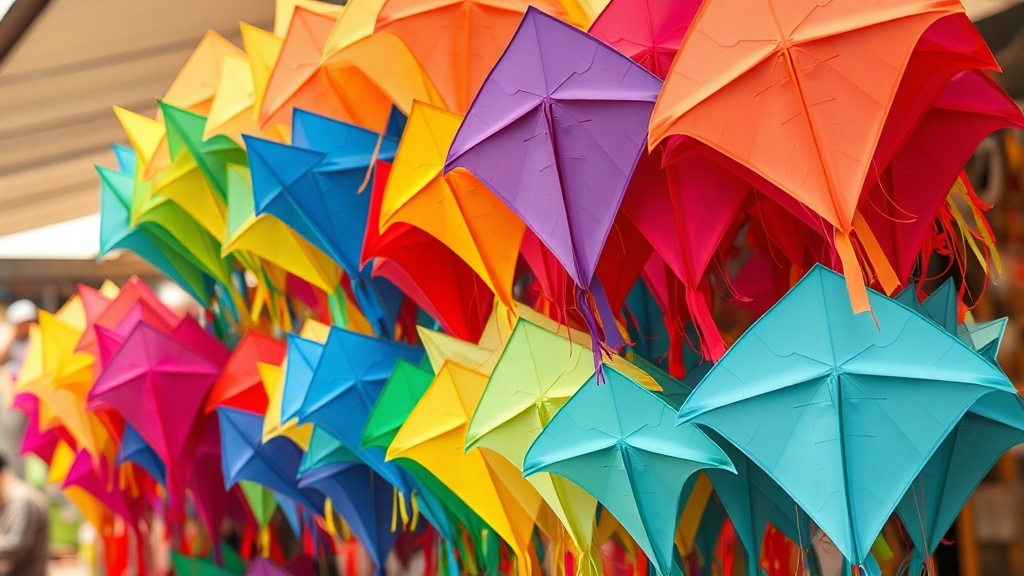
Hyderabad's Sankranti kite markets are increasingly dominated by plastic kites, contravening a national ban on single-use plastics. Traders report that plastic kites now account for 60% of sales, with handmade paper kites being marginalized. This trend is driven by plastic kites being more affordable, durable, and easier to transport, meeting consumer demand for longer-lasting festival items.
The influx of plastic kites, primarily sourced from other Indian cities, has severely impacted Hyderabad's traditional paper kite industry, once a hallmark of areas like Dhoolpet. While many shops have ceased paper kite production, a few continue to supply pre-ordered paper kites for the festival. This shift contributes significantly to the city's daily waste generation, with plastic forming over 14% of the approximately 8,000 tonnes of waste.
Environmental scientists express concern over the ecological consequences, as plastic kites persist in the environment for years, breaking down into microplastics that contaminate soil, water, and the food chain. Lake clean-up groups report that plastic kites and strings are a major component of the waste collected after Sankranti, choking water bodies. Officials acknowledge the need for public awareness, stronger enforcement, and coordinated action to curb this persistent plastic pollution.