Home / Environment / Mallard Mix-Up: Wild Ducks Losing Genetic Purity
Mallard Mix-Up: Wild Ducks Losing Genetic Purity
13 Dec
Summary
- Game-farm mallard genetics found in 45 Lower 48 states.
- Atlantic Flyway has 74% of harvested mallards with game-farm ancestry.
- Hybrid mallards adapt poorly, impacting wild population survival.
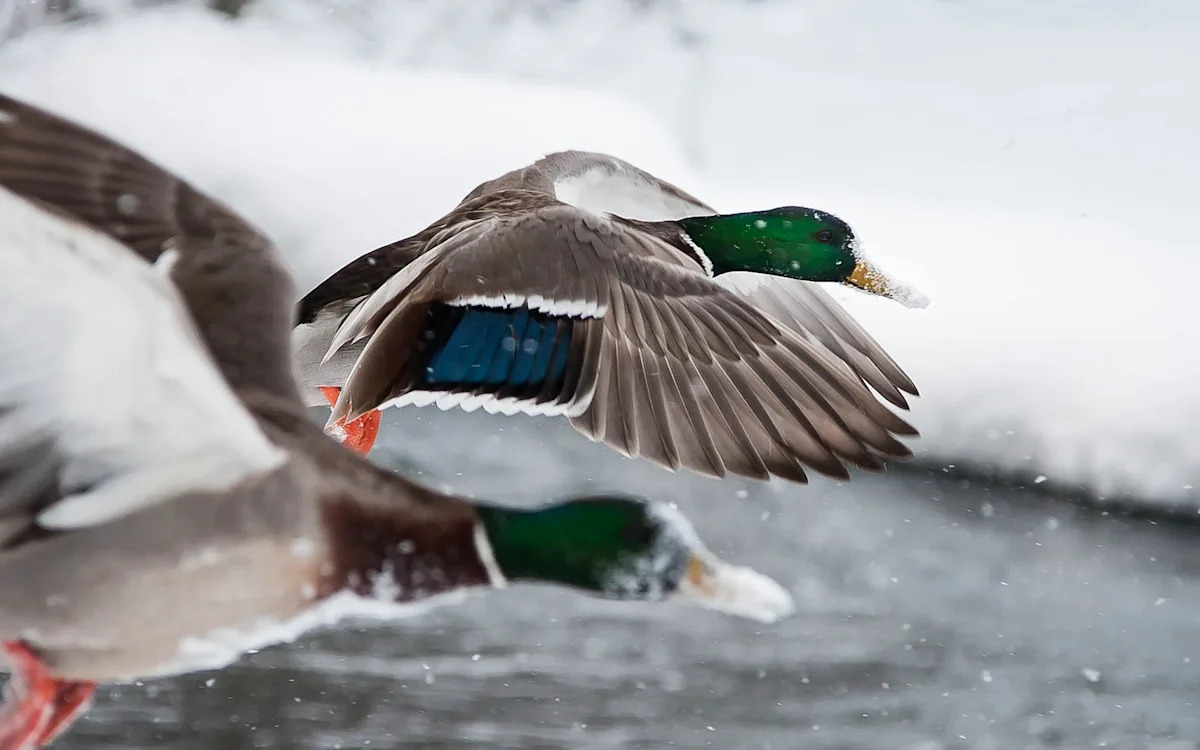
Mallard ducks, highly prized by hunters, are facing a significant genetic challenge due to hybridization with game-farm mallards. Research indicates that genetic traces from game-farm ducks are now found in 45 of the Lower 48 states, a problem that has persisted since the early 20th century when game-farm ducks were first released to supplement wild populations.
The issue is most pronounced in the Atlantic Flyway, where a staggering 74 percent of harvested mallards exhibit game-farm ancestry. Scientists note that these hybrid mallards possess distinct genetic differences, including less body fat, altered beak shapes for inefficient feeding, and reduced nesting instincts. These traits make them less adaptable to wild environments, contributing to declining wild mallard populations.
This genetic dilution poses a serious threat to the long-term survival of pure wild mallards. Conservation efforts are ongoing, with projects like duckDNA leveraging hunters to collect data. Understanding and addressing the impact of game-farm mallards is crucial for preserving the integrity of wild waterfowl genetics, alongside ongoing habitat conservation initiatives.