Home / Environment / Whale Watching Booms as Humpbacks Recover
Whale Watching Booms as Humpbacks Recover
2 Jul
Summary
- Humpback whale population has recovered from 2,000 to 35,000.
- Commercial whaling pause in 1985/1986 aided whale recovery.
- Whale watching tours offer educational experiences for tourists.
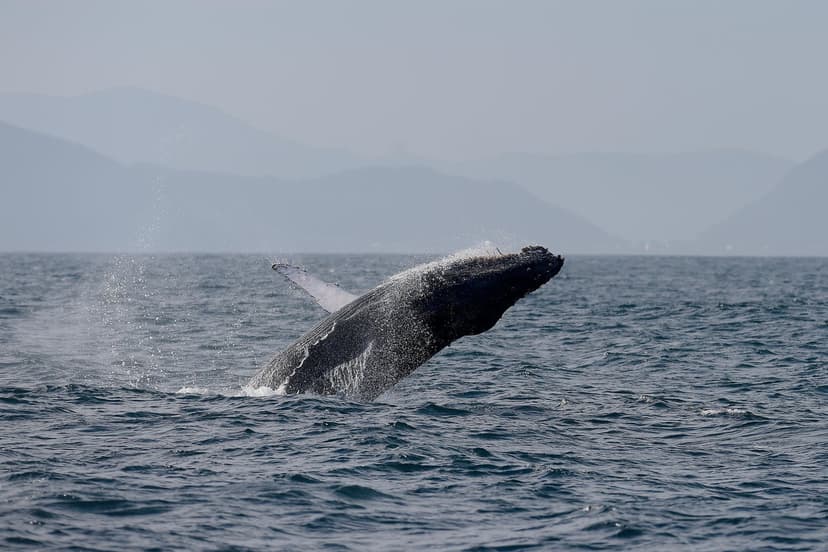
Humpback whale populations are dramatically increasing off Rio de Janeiro's coast, a testament to their recovery from past commercial whaling. The species' numbers have surged from around 2,000 to approximately 35,000 in the last four decades, nearing pre-whaling levels.
This recovery is largely attributed to the International Whaling Commission's 1982 decision to pause commercial whaling starting in the 1985/1986 season. As a result, humpback whales are now frequently spotted in Guanabara Bay.
The increased sightings have fueled a growing demand for whale-watching tours. Companies like the Rio Ocean Club offer sailboat trips, educating visitors about these marine mammals and fostering a desire for conservation.
Humpback whales migrate annually between June and November, traveling roughly 2,500 miles from their feeding grounds in the Southern Ocean to breeding areas off northeastern Brazil.
Scientific expeditions are currently underway to study whale behavior, size, and health, and to identify key gathering areas within Brazil's biodiverse marine environments. Researchers are also investigating if these areas could become future resting and breeding grounds.
These animals are known for their long-distance migrations and are considered iconic and charismatic, possessing the power to transform people's perspectives on the world and the importance of ocean protection.


