

Home / Environment / Stranded Whale Weakens in Baltic, Rescue Hopes Fade
Stranded Whale Weakens in Baltic, Rescue Hopes Fade
29 Mar
Summary
- Humpback whale shows significantly less activity and a dropped respiratory rate.
- Experts fear injuries from a possible fishing net entanglement.
- Marine mammal cannot survive long-term in the Baltic Sea due to low salt concentration.
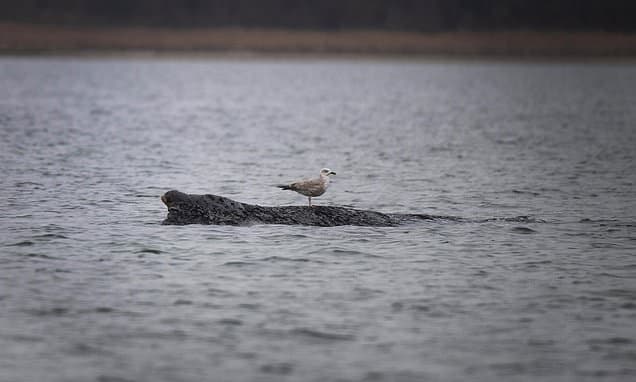
A humpback whale stranded in Germany's Baltic Sea is displaying alarming signs of declining health. The marine mammal, first spotted on March 3, has become noticeably weaker, with significantly reduced activity and a lowered respiratory rate according to wildlife researchers. Officials established a 500-meter restricted zone around the whale in Wismar Bay, hoping it could regain strength and find its own way back to the Atlantic Ocean.
Experts express growing concern that the whale may not survive. It is believed to be sick and potentially injured from contact with a fishing net. The Baltic Sea's low salt concentration is unsuitable for the whale's long-term survival, and it is also struggling to find adequate nutrition. Previous rescue efforts involving excavators and boats earlier in the week failed to free the whale from its predicament.
Navigating the narrow straits and the approximately 500 kilometers back to the Atlantic presents a significant challenge. The chances of the weakened animal successfully making the journey through German and Danish waters are considered slim, according to marine museum directors. The whale's plight has captivated the nation, with continuous media coverage and public interest.
As of Sunday, March 29, 2026, hopes are diminishing that the whale has the strength to escape the Baltic Sea. Its inability to move or react to closer observation underscores the severity of its condition. The precise reason for the whale entering the Baltic Sea remains unclear, with theories suggesting it may have lost its way while following a shoal of herring or during migration.
