Home / Environment / Hotel Mini Toiletries: Green Scourge or Minor Issue?
Hotel Mini Toiletries: Green Scourge or Minor Issue?
24 Mar
Summary
- States ban mini hotel toiletries, others phase them out by 2028.
- Refillable dispensers offer marginal environmental benefits, experts say.
- Energy use and food waste pose bigger sustainability challenges for hotels.
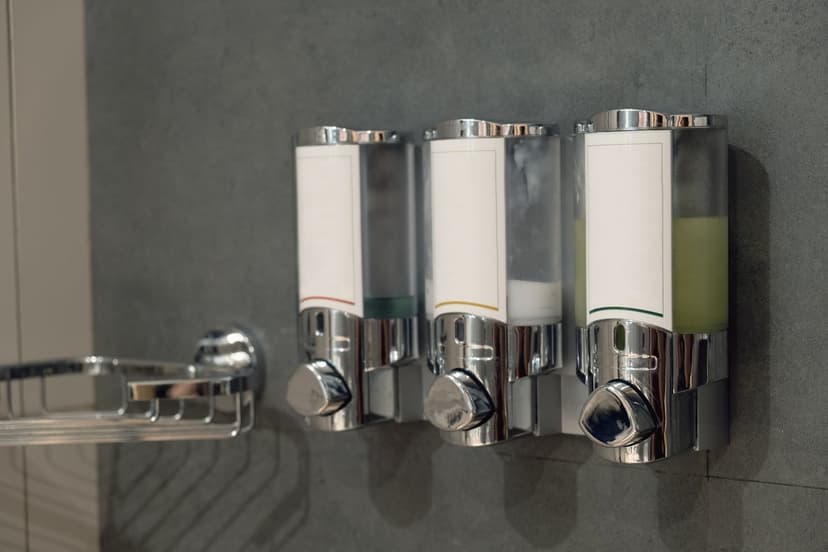
Many U.S. states, including California, New York, and Illinois, have banned mini hotel toiletries, with Washington implementing phased prohibitions by 2028. Major hotel groups like Marriott and InterContinental Hotels Group are transitioning to refillable dispensers, anticipating substantial reductions in landfill waste. Marriott claims this shift saves approximately 500 million mini bottles annually.
However, sustainability experts argue that the environmental benefits of switching to refillable dispensers are marginal. While reducing material use is a priority, the impact on overall landfill volume is minor compared to issues like food waste. Furthermore, many toiletry bottles are recycled or recovered through energy processes, mitigating their landfill impact.
The primary climate footprint for hotels stems from energy use, contributing 10-30kg of CO2 per guest night. The CO2 reduction from adopting refillable toiletries is estimated at only 10 grams per guest, vastly smaller than the impact of energy consumption. Food waste and laundry also represent significant sustainability challenges.
Experts suggest that hotel efforts could be more impactful by promoting tap water use, potentially saving around 100 grams of CO2 per guest by reducing reliance on bottled water. Refillable dispensers are considered low-hanging fruit, easy for hotels to implement and control, offering cost savings and contributing to an 'all-of-the-above' sustainability strategy.