feedzop-word-mark-logo
searchLogin
Feedzop
homeFor YouUnited StatesUnited States
You
bookmarksYour BookmarkshashtagYour Topics
Trending
Terms of UsePrivacy PolicyAboutJobsPartner With Us

© 2026 Advergame Technologies Pvt. Ltd. ("ATPL"). Gamezop ® & Quizzop ® are registered trademarks of ATPL.

Gamezop is a plug-and-play gaming platform that any app or website can integrate to bring casual gaming for its users. Gamezop also operates Quizzop, a quizzing platform, that digital products can add as a trivia section.

Over 5,000 products from more than 70 countries have integrated Gamezop and Quizzop. These include Amazon, Samsung Internet, Snap, Tata Play, AccuWeather, Paytm, Gulf News, and Branch.

Games and trivia increase user engagement significantly within all kinds of apps and websites, besides opening a new stream of advertising revenue. Gamezop and Quizzop take 30 minutes to integrate and can be used for free: both by the products integrating them and end users

Increase ad revenue and engagement on your app / website with games, quizzes, astrology, and cricket content. Visit: business.gamezop.com

Property Code: 5571

Home / Environment / Hot Drinks Unleash Microplastic Flood!

Hot Drinks Unleash Microplastic Flood!

19 Jan

•

Summary

  • Hot food and drinks significantly increase microplastic release.
  • Tens of thousands more microplastics are released from hot coffee.
  • Ingesting microplastics may pose serious health risks.
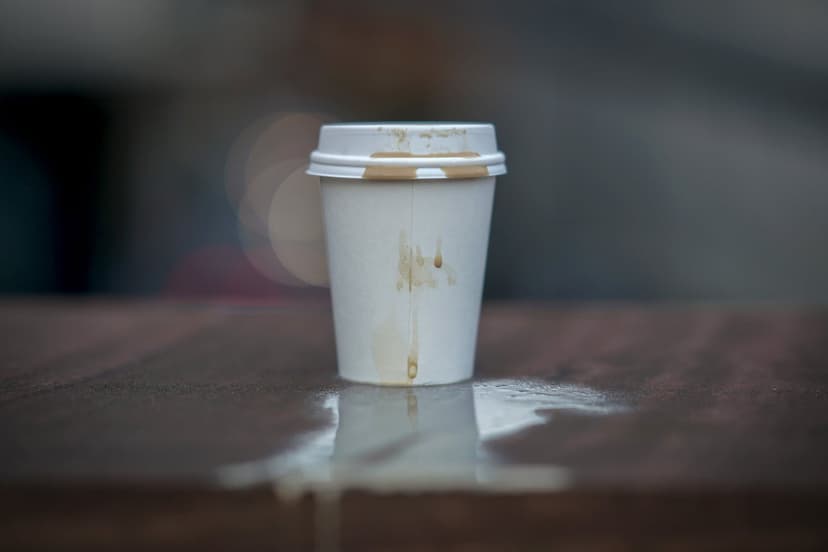
Hot Drinks Unleash Microplastic Flood!

A recent review of studies indicates that hot food and beverages dramatically increase the release of microplastics from plastic containers. When liquids like coffee are heated in plastic cups, they can shed tens of thousands more microplastic particles compared to cold beverages. This finding is crucial as a growing body of research links the daily ingestion of these tiny particles to potential health risks.

The research assessed numerous published studies and an experimental case study, revealing a consistent trend: microplastic particle release from materials like polyethylene (PE) and polypropylene (PP) significantly escalates with rising temperatures. Depending on the material, hot food can release hundreds to over eight million particles per liter, with heat identified as a primary driver of this shedding. One study found a 32.7% increase in microplastic release from PE cups when the temperature rose from 5°C to 60°C.

This contamination stems from the widespread use of single-use plastic cups and containers, with estimates suggesting up to 500 billion are used globally each year. The findings offer practical advice for consumers seeking to minimize their exposure and may inform future regulatory efforts for safer packaging. Researchers emphasize that understanding the role of temperature and material type is key to mitigating microplastic ingestion.

Disclaimer: This story has been auto-aggregated and auto-summarised by a computer program. This story has not been edited or created by the Feedzop team.
Hot coffee can release tens of thousands more microplastic particles than cold coffee from plastic cups.
Ingesting microplastics may lead to hormone imbalance, diabetes, reproductive issues, and increased cancer risk.
Yes, higher temperatures of food or beverages significantly increase the release of microplastic particles from plastic containers.

Read more news on

Environmentside-arrow
trending

I-40 crash in Wake

trending

NFL Playoffs: Divisional Games

trending

Swiatek wins Australian Open match

trending

MLK Day market closures

trending

Super Bowl odds updated

trending

Anisimova wins Australian Open match

trending

West Michigan school closings

trending

Casper Ruud advances at Open

trending

Andreeva faces Vekic in Open

You may also like

Bombshell: Human Microplastic Findings Questioned

15 Jan • 16 reads

article image

Backyard Birds Choking on Microplastics

24 Dec, 2025 • 131 reads

article image

Kaua'i Bans Foam Bodyboards to Save Marine Life

16 Dec, 2025 • 148 reads

article image

Restaurant Oil Transformed into Plastic and Superglue

9 Dec, 2025 • 167 reads

article image

Microplastics Invade Mouse Brains in Weeks

6 Dec, 2025 • 197 reads

article image