Home / Environment / Hospitals Ditch Potent Greenhouse Gas Anesthetic
Hospitals Ditch Potent Greenhouse Gas Anesthetic
3 Feb
Summary
- Desflurane, a common anesthetic, is a potent greenhouse gas.
- Global regulators and health systems are phasing out its use.
- Alternatives offer reduced environmental impact without compromising care.
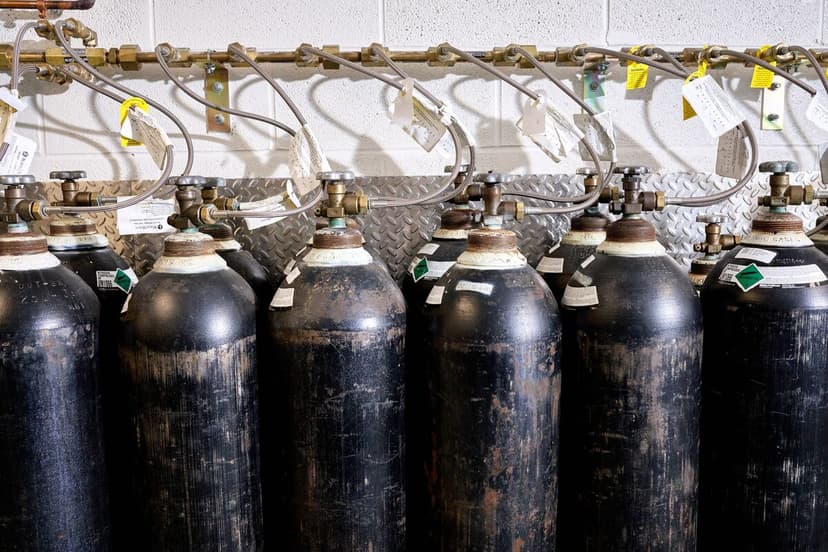
Hospitals globally are transitioning away from desflurane, a prevalent anesthetic known for its potent greenhouse gas emissions. Regulatory bodies and healthcare systems, including the EU and Scotland, have initiated phase-out plans, with similar discussions underway in Singapore and Australia. In North America, nearly 600 hospitals have already ceased routine desflurane use over the past decade.
The healthcare industry, historically exempt from climate scrutiny, is now addressing its environmental footprint. Anesthetic gases, though a small fraction of the sector's total emissions, significantly contribute to operating room pollution. Desflurane, in particular, has a global warming potential 2,530 times that of carbon dioxide.
Healthcare providers are adopting alternative anesthetics like sevoflurane and isoflurane, which are less harmful to the environment and can be more cost-effective. Some systems are also exploring intravenous anesthesia, offering potential benefits like reduced patient nausea and improved recovery.
This widespread change is driven by the understanding that reducing emissions from anesthetics like desflurane is achievable and beneficial. The move not only addresses climate concerns but also offers financial advantages through reduced waste and the adoption of more efficient practices. The transition is expected to continue as more facilities prioritize sustainability in their operations.