Home / Environment / Ancient Crabs Face Coastal Extinction
Ancient Crabs Face Coastal Extinction
1 Dec
Summary
- Rising seas could eliminate 96% of key Florida habitats by 2100.
- Horseshoe crab eggs feed migratory birds and their blood aids biomedical safety.
- Conservation efforts focus on living shorelines and mangrove restoration.
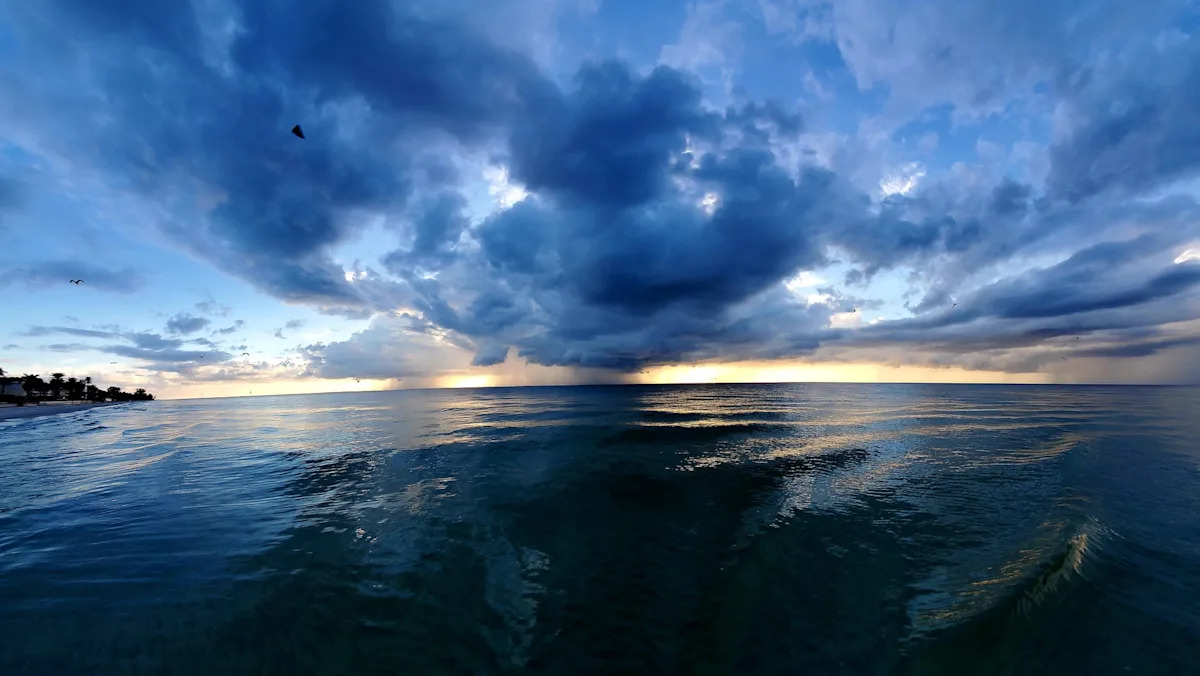
The American horseshoe crab, an ancient species predating dinosaurs, is at risk as its crucial coastal breeding grounds diminish. A recent study reveals that rapidly rising sea levels threaten to inundate essential habitats, with projections showing drastic losses of mangroves and tidal flats in Florida by 2100. This environmental shift, driven by global warming, endangers not only the horseshoe crab but also coastal food webs and migratory shorebirds dependent on their eggs.
The biomedical industry also relies on horseshoe crab blood for vaccine safety, highlighting another critical impact of their potential decline. Furthermore, the loss of protective mangrove forests exacerbates coastal flooding and erosion, increasing risks for communities. These changes are part of a broader pattern of intensified extreme weather events fueled by rising global temperatures.
In response, conservation initiatives are actively protecting coastal nurseries and implementing natural solutions like living shorelines and oyster reef restoration. Reforestation of mangroves and redesigning infrastructure are also underway. Public support for policies reducing reliance on fossil fuels and embracing cleaner energy options is encouraged to help safeguard these vital ecosystems.