Home / Environment / Iran Island Turns Blood-Red After Rain
Iran Island Turns Blood-Red After Rain
18 Dec
Summary
- Hormuz Island transformed into a vibrant crimson landscape.
- Heavy rainfall mixed with mineral-rich sediment and seawater.
- The island's iron oxide-rich soil causes its unique red color.
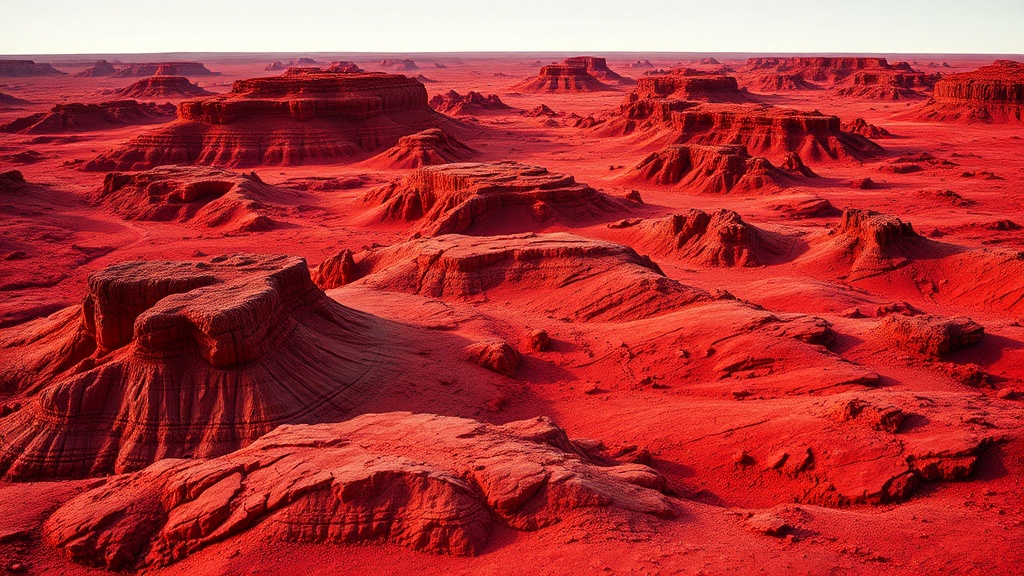
Hormuz Island in Iran's Persian Gulf recently experienced a dramatic natural transformation as an overnight rainstorm turned its terrain a striking blood-red color. This vivid spectacle occurred after heavy rainfall mixed with the island's mineral-rich sediment and seawater, washing deep red particles into the ocean.
The island's distinctive crimson appearance is due to its soil, which is primarily composed of iron oxide, specifically hematite. This iron-rich earth, locally known as 'golak,' covers much of Hormuz, a salt dome formation also recognized for its multicolored soils and rock formations, earning it the nickname 'Rainbow Island.'
While the intense red color has drawn comparisons to 'blood rain,' scientists confirm the event is entirely natural. The rainwater carries fine red particles from the island's hills and cliffs into waterways and the Persian Gulf, showcasing the unique geology of this small but visually spectacular island.