feedzop-word-mark-logo
searchLogin
Feedzop
homeFor YouUnited StatesUnited States
You
bookmarksYour BookmarkshashtagYour Topics
Trending
trending

B.C. power outages grow

trending

Senators question AI powered toys

trending

California EDD cellphone waste

trending

FRC probes EY's Shell audit

trending

San Ramon earthquake hits East

trending

Debra Newton abducted daughter

trending

Bitcoin price to touch $140,000

trending

Jax State wins bowl

trending

Jacksonville State beats Troy Trojans

Terms of UsePrivacy PolicyAboutJobsPartner With Us

© 2025 Advergame Technologies Pvt. Ltd. ("ATPL"). Gamezop ® & Quizzop ® are registered trademarks of ATPL.

Gamezop is a plug-and-play gaming platform that any app or website can integrate to bring casual gaming for its users. Gamezop also operates Quizzop, a quizzing platform, that digital products can add as a trivia section.

Over 5,000 products from more than 70 countries have integrated Gamezop and Quizzop. These include Amazon, Samsung Internet, Snap, Tata Play, AccuWeather, Paytm, Gulf News, and Branch.

Games and trivia increase user engagement significantly within all kinds of apps and websites, besides opening a new stream of advertising revenue. Gamezop and Quizzop take 30 minutes to integrate and can be used for free: both by the products integrating them and end users

Increase ad revenue and engagement on your app / website with games, quizzes, astrology, and cricket content. Visit: business.gamezop.com

Property Code: 5571

Home / Environment / Honey Fungus Outbreak Devastates UK Gardens Amid Climate Change

Honey Fungus Outbreak Devastates UK Gardens Amid Climate Change

3 Nov

•

Summary

  • Honey fungus infections up 200% in UK in past year
  • Attacks trees, shrubs, and edible plants like strawberries
  • No chemical treatment, experts advise digging up and burning affected plants
Honey Fungus Outbreak Devastates UK Gardens Amid Climate Change

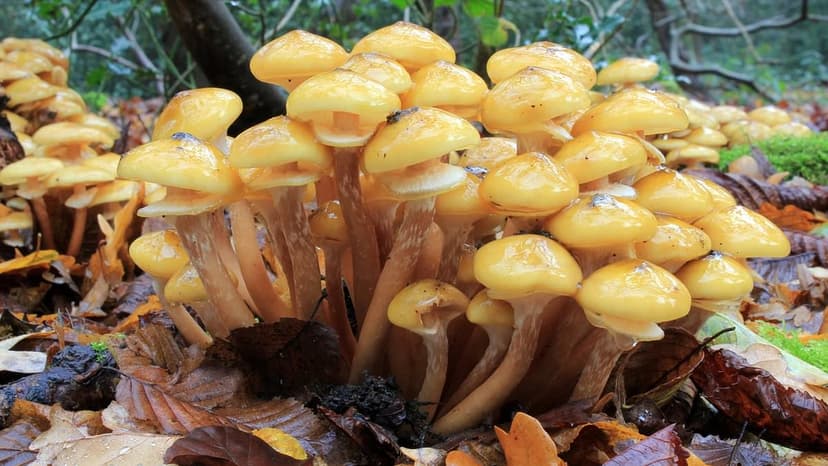
As of November 3rd, 2025, gardeners across the UK are on high alert for a rapidly spreading fungal infection that has seen a dramatic 200% increase in the past year. The culprit is honey fungus, also known as Armillaria mellea, a common but highly destructive species that infects and kills a wide variety of trees, shrubs, and even edible plants.

The surge in honey fungus cases has been largely attributed to the effects of climate change, with a particularly hot summer followed by a damp autumn creating the ideal conditions for the fungus to thrive. Beloved garden plants such as birch, cedar, privet, willow, lilac, weigela, and cotoneaster are among the most frequently attacked, while allotment crops like strawberries and potatoes are also at risk.

Experts at the Royal Horticultural Society warn that honey fungus is "the most destructive fungal disease in UK gardens," and have advised gardeners to be vigilant for the telltale signs of infection, including pale leaves, dieback, early autumn color, and cracked, bleeding trunks. Unfortunately, there is no known chemical treatment for this virulent fungus, and the only solution is to dig up and completely remove any affected plants, ensuring they are burned or disposed of in landfill to prevent the spread.

To help combat the honey fungus outbreak, gardeners are encouraged to focus on maintaining the overall health and vigor of their plants, ensuring they have adequate access to water and nutrients, and applying a layer of organic mulch around the base of trees and shrubs. By taking these proactive measures, gardeners can help strengthen their plants' natural defenses against this devastating fungal infection.

Disclaimer: This story has been auto-aggregated and auto-summarised by a computer program. This story has not been edited or created by the Feedzop team.
According to the article, the surge in honey fungus cases has been largely attributed to the effects of climate change, with a particularly hot summer followed by a damp autumn creating the ideal conditions for the fungus to thrive.
The article advises gardeners to focus on maintaining the overall health and vigor of their plants, ensuring they have adequate access to water and nutrients, and applying a layer of organic mulch around the base of trees and shrubs.
The article states that there is no known chemical treatment for honey fungus, and the only solution is to dig up and completely remove any affected plants, ensuring they are burned or disposed of in landfill to prevent the spread.
Read more news on

Environmentside-arrow

You may also like

Climate Shift Spurs UK Garden Revolution

15 Dec • 9 reads

article image

Don't Bin Leaves: Unlock Garden Gold!

14 Dec • 10 reads

article image

UK Gardens Bloom: Community Spirit Thrives

22 Nov • 54 reads

article image

Beckham Trades Football for Flowers with Royal Garden Project

20 Nov • 87 reads

Gardening Expert Warns: Avoid Salty Snacks for Garden Birds

2 Nov • 115 reads

article image