Home / Environment / World's Wildlife Becomes Samey: Scientists Name 'Homogenocene'
World's Wildlife Becomes Samey: Scientists Name 'Homogenocene'
4 Mar
Summary
- Biodiversity loss termed 'homogenocene' due to increasing uniformity.
- Extinction rate reaches up to 150 species per day globally.
- Human activities like farming and urbanization drive this phenomenon.
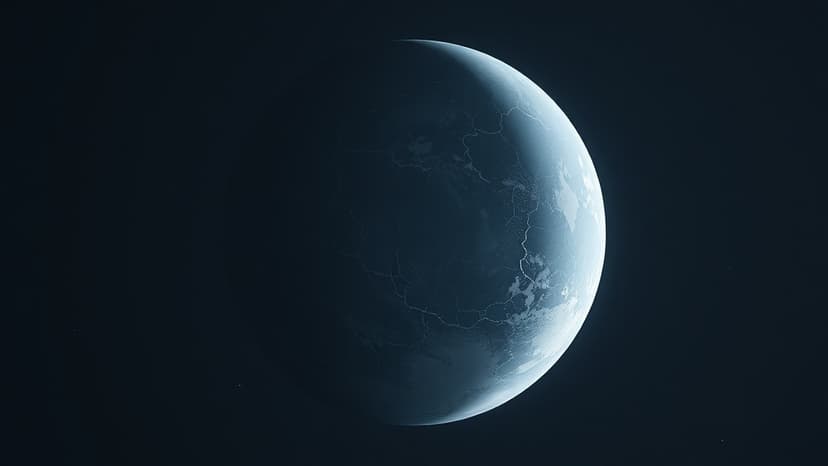
The planet is experiencing a profound loss of biodiversity, a phenomenon scientists have termed the 'homogenocene.' This era is characterized by the extinction of niche species and the proliferation of adaptable generalists, leading to a more uniform global wildlife population. An estimated 150 species vanish daily, a rate that has accelerated significantly in recent decades.
The homogenocene's origins trace back to the last ice age, with early human hunting practices contributing to the extinction of large mammals. Continued human expansion, including land clearing for agriculture and urbanization, has exacerbated the issue. Specialist species are displaced by versatile generalists, a trend observed across various ecosystems, including recent impacts on marine life like coral reefs due to warming waters.
However, the trend of the homogenocene is not irreversible. Active human management, such as controlling invasive species or reducing land use for food production, can foster increased biodiversity and aid nature's recovery. These interventions demonstrate that a more diverse future is possible by actively working to counteract the homogenizing effects.