Home / Environment / HOAs: Lawns or Sustainability?
HOAs: Lawns or Sustainability?
5 Aug
Summary
- Many HOAs restrict sustainable yards despite water scarcity.
- States are enacting laws to limit HOA control over eco-landscaping.
- HOAs could bridge environmental sustainability and homeowner needs.
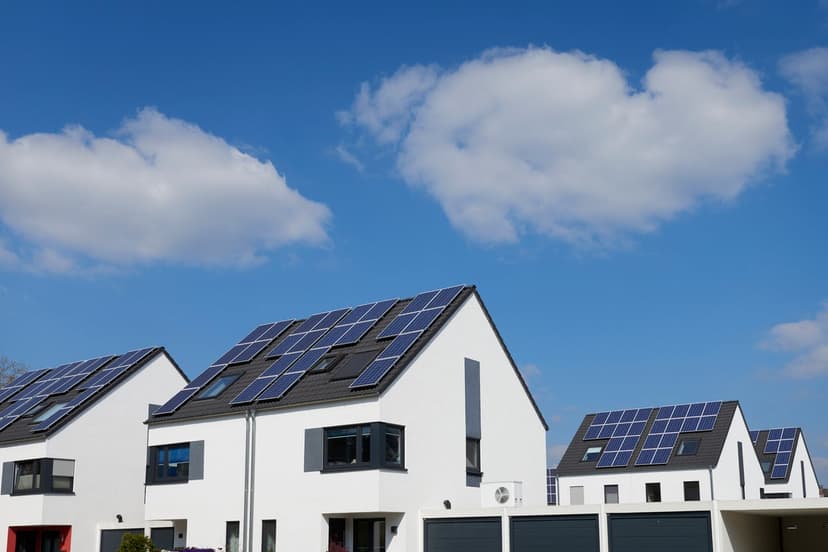
Homeowners associations (HOAs) significantly influence residential environmental sustainability, often acting as barriers rather than facilitators. Roughly two out of every three new homes built in the U.S. are subject to HOA rules, which frequently prioritize aesthetic uniformity, such as maintaining turfgrass lawns, over eco-friendly practices like xeriscaping or native plantings.
Conflicts arise when HOAs restrict water-wise landscaping and energy production, despite growing environmental concerns. Homeowners have faced challenges over native plants, drought-tolerant yards, and solar panels. However, states like Maryland and California have passed laws to protect low-impact landscaping and homeowners' rights regarding water-wise plants and artificial turf.
Several states, including Michigan, Minnesota, and Arizona, now prevent HOAs from prohibiting solar panel installations. Nineteen states have also enacted "right-to-dry" laws to allow clotheslines. These legislative actions aim to balance neighborhood aesthetics with broader environmental goals, such as water conservation and renewable energy.
HOAs can be transformed into champions of sustainability. Developers and city planners can collaborate to create model covenants encouraging environmental practices from the outset. By establishing guardrails and providing support, HOAs can transition from obstacles to partners in creating more sustainable communities.


