Home / Environment / Himalayan Glaciers Shrink: Pollution Accelerates Melting
Himalayan Glaciers Shrink: Pollution Accelerates Melting
2 Sep
Summary
- Soot pollution darkens Himalayan glaciers, increasing heat absorption.
- Air pollution amplifies global warming's threat to glaciers.
- Reduced pollution during lockdowns brightened snow cover significantly.
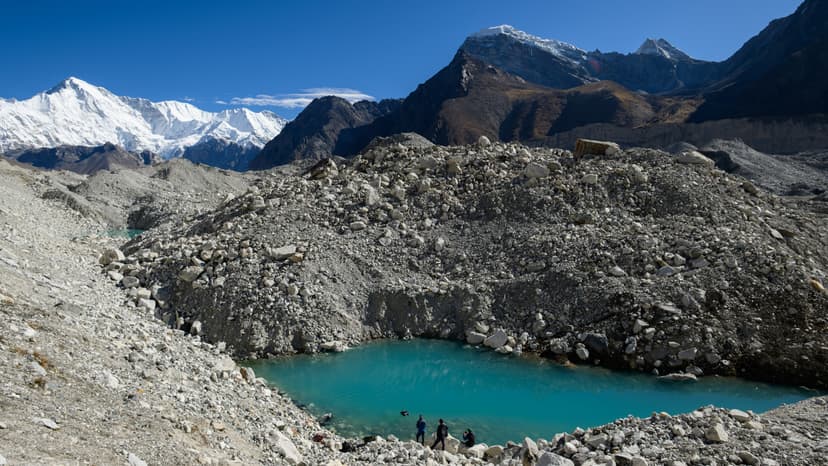
Himalayan glaciers are increasingly coated in soot pollution from vehicles and factories, causing them to absorb more heat and melt at alarming rates. This darkening effect weakens the natural reflectivity of ice, known as the albedo effect, leading to accelerated melting.
Scientists warn that this pollution, combined with global warming, escalates the risk of devastating glacier collapses and subsequent floods. Recent studies indicate that black carbon pollution accounts for a significant portion of glacier mass loss in the Himalayas. Additionally, airborne soot can alter cloud formation and suppress snowfall, hindering glacier growth.
Evidence suggests that reducing air pollution offers a tangible solution. During spring 2020, COVID-19 lockdowns led to a temporary drop in pollution, which brightened snow cover and reduced Himalayan snowmelt by as much as 40 percent. This highlights the potential for cleaner technologies, such as electric vehicles and renewable energy, to rapidly mitigate harm to these vital glaciers.


