Home / Environment / Glacier Ice Patches Trigger Deadly Himalayan Flash Flood
Glacier Ice Patches Trigger Deadly Himalayan Flash Flood
16 Mar
Summary
- Warming temperatures impact glaciers, increasing flash flood risks.
- A 2025 Uttarakhand flood was caused by a collapsing ice patch.
- Satellite monitoring is crucial for early glacier disaster warnings.
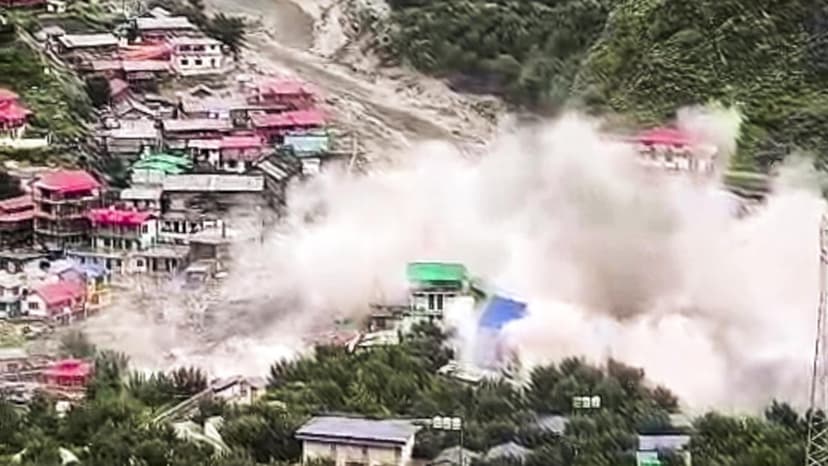
A recent study by ISRO scientists investigates the August 5, 2025, flash flood that devastated Dharali village in Uttarakhand, resulting in six fatalities. The research, published in NPJ Natural Hazards, links the disaster to the increasing impact of warming temperatures on glaciers, specifically the collapse of exposed ice patches.
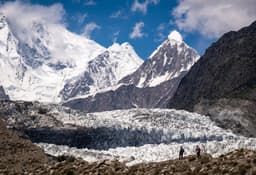
The collapse of an ice patch in the nivation area of the Srikanta glacier was identified as the direct cause of the flash flood. This phenomenon is a consequence of deglaciation in the Himalayas, where thinning seasonal snow and ice expose underlying glacial ice to melt and fragmentation.
Historically, the upper Bhagirathi river basin has experienced extreme events. The study utilized satellite observations and topographic analysis to reconstruct the sequence of events. It highlights that exposed ice patches on glaciers, beyond traditional glacial lake outburst floods (GLOFs), represent a significant and under-recognized cryospheric hazard.
The findings underscore the critical importance of continuous satellite monitoring of glaciers. Such monitoring can help identify unstable ice formations and provide essential early warnings for potential disasters in high-altitude regions facing the impacts of climate change.