Home / Environment / Nepal Flood: A Cryosphere Cascade Warning
Nepal Flood: A Cryosphere Cascade Warning
1 Sep
Summary
- Himalayan hazards are cascading, blending avalanches, debris flows, and floods.
- Climate change accelerates glacier melt and permafrost thaw, increasing instability.
- Development in valleys overlooks upstream glacial and landslide risks.
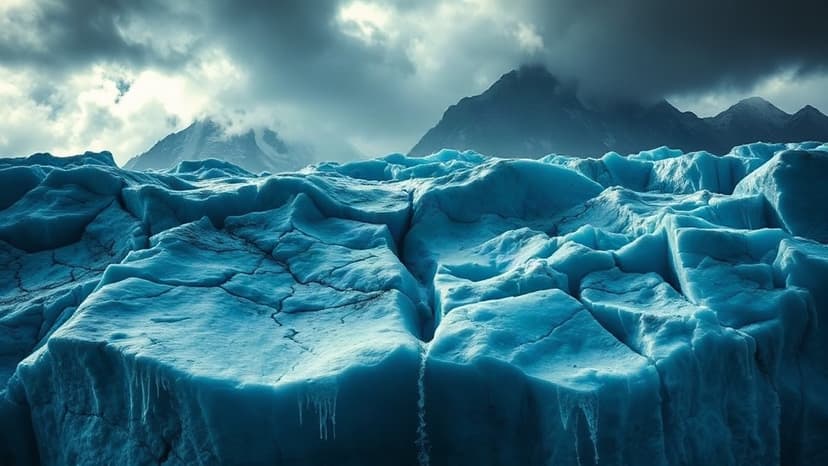
A devastating flood in Nepal's Rasuwa district on August 26, 2026, underscored the cascading nature of Himalayan hazards. The event, initiated by a high-altitude slope failure involving a glacier, traveled over 100 kilometers downstream, destroying infrastructure. This incident echoes past disasters like the 1985 Dig Tsho lake outburst and the 2021 Rishiganga rock-and-ice collapse.
These events demonstrate how cryospheric disturbances can rapidly become flood emergencies. Climate change is a significant factor, with Himalayan glaciers losing substantial ice reserves and landslide activity increasing at higher elevations. Retreating glaciers and thawing permafrost contribute to unstable terrain and expanding glacial lakes.
The expansion of infrastructure in narrow valleys amplifies risks, as environmental assessments often overlook upstream glacial and landslide hazards. This oversight leaves projects vulnerable to sudden, high-altitude events. Proactive disaster preparedness requires integrated monitoring systems, connecting high-altitude cryosphere data with downstream river gauges and early-warning networks.
Effective disaster management necessitates a holistic approach. Decisions must account for the dynamic nature of mountain systems and their changing hazards. Understanding the interconnectedness of glaciers, lakes, slopes, and frozen ground is crucial for protecting communities in downstream river corridors.


