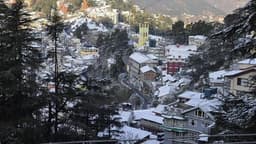
Home / Environment / Himalayan Trees Fall for Roads, Disaster Risk Rises
Himalayan Trees Fall for Roads, Disaster Risk Rises
23 Jan
Summary
- Thousands died in climate disasters in 2025, impacting Himachal and Uttarakhand.
- 7,000 Devdar trees face felling for Uttarakhand's Char Dham road project.
- Project disregards critical zone warnings and unique tree ecological value.
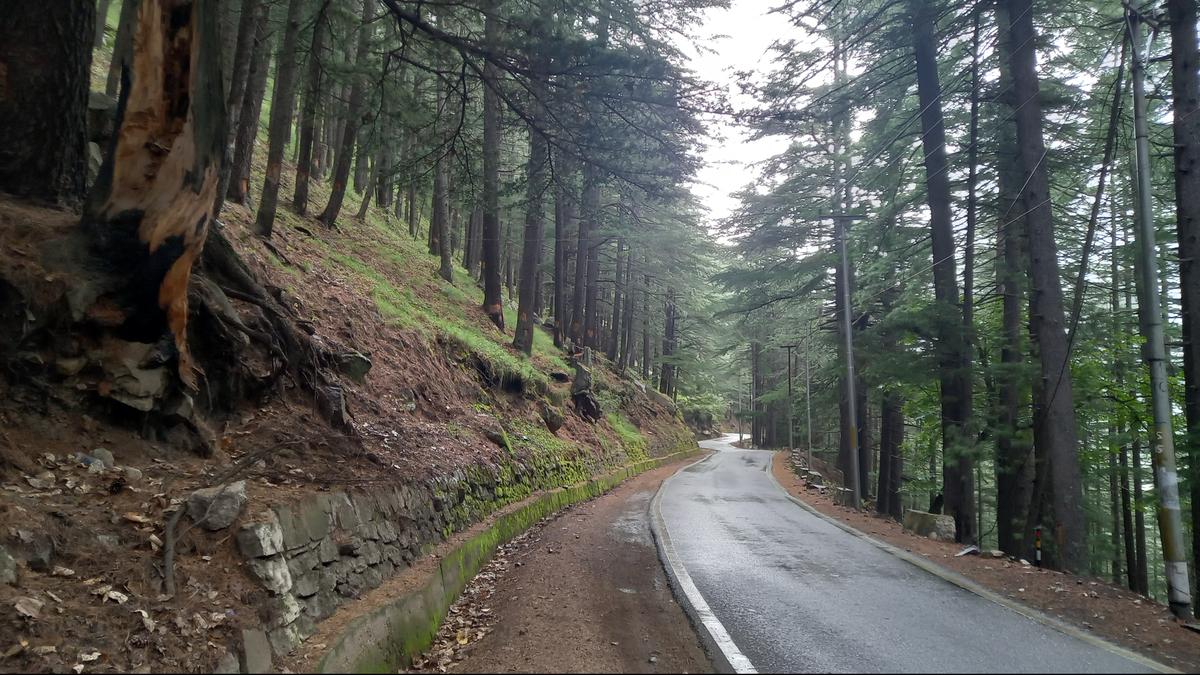
In 2025, climate-induced disasters claimed over 4,000 lives, with Himachal Pradesh and Uttarakhand bearing the brunt of extreme weather events. Towns like Dharali and Uttarkashi were ravaged by cloudbursts and landslides, highlighting a new normal of environmental vulnerability.
Despite recent devastation, the Uttarakhand Forest Department approved the felling of approximately 7,000 Devdar trees for the Char Dham road-widening project. This decision, made in November 2025, diverts 43 hectares of forest land and permits 10 hectares for muck dumping, relying on a 12-meter road-width standard in a critical zone.
The Devdar forests are vital for Himalayan ecological stability, preventing landslides and influencing river health through their unique antimicrobial properties. Their root systems stabilize slopes, and their litter enriches stream ecosystems. The Supreme Court has previously discouraged felling these trees, recognizing their environmental necessity.
This infrastructure push is criticized for bypassing environmental impact assessments, employing destructive vertical hill-cutting, and indiscriminate muck dumping, resulting in over 800 active landslide zones along the widened roads. Proposed retrofitting measures are seen as insufficient to correct fundamental engineering flaws.
The government's actions appear to contradict the National Mission for Sustaining the Himalayan Ecosystem (NMSHE), a policy framework established in 2014 to protect fragile Himalayan ecology. The increasing frequency and severity of extreme weather events, linked to accelerated warming in high-altitude areas, necessitate a shift towards disaster resilience over disaster-prone infrastructure.