Home / Environment / Himalayas Brace for Climate-Fueled Disasters
Himalayas Brace for Climate-Fueled Disasters
5 Aug
Summary
- Himalayan climate change intensifies extreme, frequent, and destructive events.
- Dharali disaster resulted from compound effects, not single factors.
- Uttarakhand improves response but needs upstream prevention strategies.
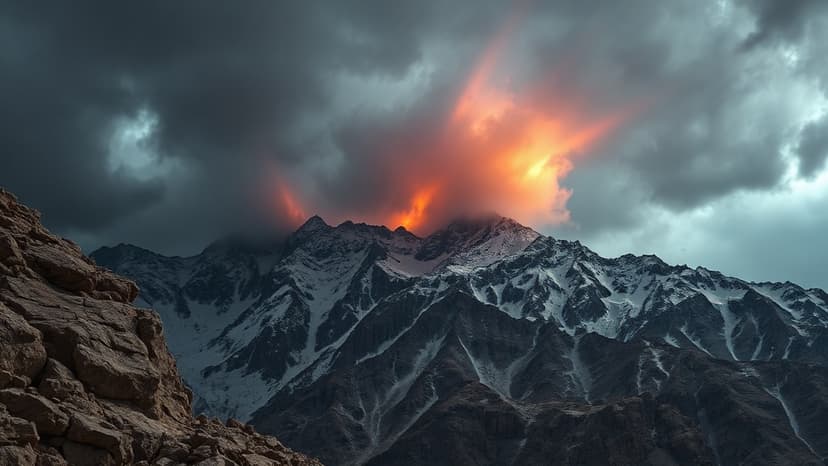
The Himalayan region faces a growing threat from climate change, with extreme weather events becoming more frequent, complex, and destructive. A year after the devastating Dharali disaster in Uttarkashi, which resulted in four fatalities and over 50 missing individuals, scientists stress that Uttarakhand's primary challenge is preparing for this altered climate.
The August 2025 Dharali disaster, triggered by intense rainfall and debris flow, highlighted the increasing vulnerability of Himalayan settlements to cascading hazards. This event was not caused by a single factor but by cumulative effects, including prolonged rainfall, glacier retreat, and permafrost degradation in a climate-sensitive area.
Experts point to a global trend of increased heavy precipitation events since the 1950s, evident across the Indian Himalayas. Recent disasters in the region, such as the Chamoli glacier-rock avalanche in 2021 and the Teesta flash flood in 2023, share a common thread of climate change amplifying geological vulnerabilities.
While Uttarakhand has enhanced its weather monitoring and emergency response systems, these measures primarily address disaster response. The larger challenge, according to geologists, lies upstream in disaster prevention. This includes comprehensive mapping of unstable sediment deposits, strict enforcement of muck disposal protocols, and stronger land-use regulations.
Future preparedness must also involve community awareness and robust local emergency response capacity. Scientists recommend that vulnerable areas like river terraces and floodplains be kept free from construction, and projects obstructing natural river channels require rigorous environmental assessment to prevent future catastrophes.


