Home / Environment / Himalayan Butterflies Invade Delhi: A Greener City's Surprise
Himalayan Butterflies Invade Delhi: A Greener City's Surprise
3 Dec, 2025
Summary
- New Himalayan butterfly species are now regularly found in Delhi.
- Green zones and butterfly parks have expanded, aiding butterfly breeding.
- Transported on plants and produce, butterflies are becoming Delhi residents.
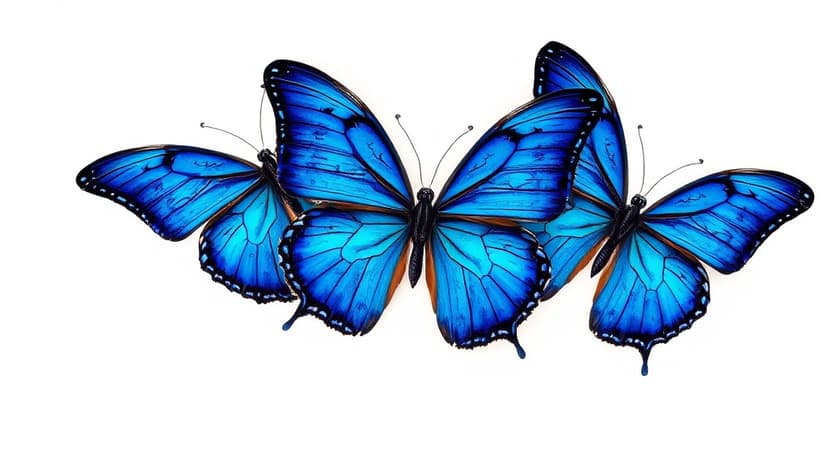
Delhi's annual Big Butterfly Month in September has observed a notable increase in butterfly species, with new Himalayan varieties making their way into the city's checklist. Ecologists attribute this growth to favorable environmental conditions, including ample rainfall and the expansion of green zones and dedicated butterfly parks, which provide enhanced breeding grounds.
These newcomers are often 'accidental immigrants,' transported to Delhi on saplings, fruits, and vegetables sourced from Himalayan states. Eggs and pupae survive transit and complete their metamorphosis in Delhi's warmer climate. Species like the large branded swift and common jay, previously high-elevation residents, are now breeding in the city.
The creation of a 'butterfly corridor' linking numerous green habitats across the NCR has further supported this ecological restoration. While positive, experts warn that changing climate patterns could impact butterfly populations, emphasizing their role as crucial bio-indicators.