Home / Environment / Hiking Trails Close: Climate Crisis Triggers Landslides & Overcrowding
Hiking Trails Close: Climate Crisis Triggers Landslides & Overcrowding
20 Jan
Summary
- Extreme weather and global warming are making trails unsafe.
- Excessive visitor numbers are damaging local environments globally.
- Trails face closures, higher fees, or restrictions due to climate impacts.

Hiking trails worldwide are becoming increasingly unsafe due to extreme weather phenomena linked to global warming. Rockfalls and landslides, exacerbated by thawing permafrost and intense precipitation, have led to temporary closures in the Alps and Switzerland. These climate-related risks are forcing authorities to restrict access.
In addition to climate concerns, a surge in hiking popularity is straining natural environments. Mount Rinjani in Indonesia and Mount Fuji in Japan have seen trail closures or implemented new fees and daily limits to manage overtourism and its environmental impact. This influx puts pressure on ecosystems and local communities.
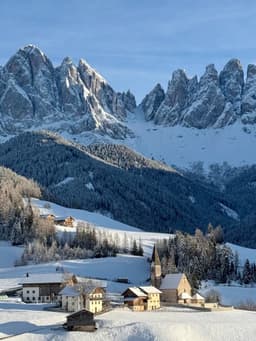
European destinations like Madeira and Italy are also battling overtourism. Madeira introduced new fees for non-residents on popular trails to fund conservation, while communities in Italy's Dolomites are protesting against the damage caused by excessive tourist numbers. These measures aim to balance visitor access with environmental preservation.