

Home / Environment / Silent Songbird Smuggling: Africa to Asia's Hidden Trade
Silent Songbird Smuggling: Africa to Asia's Hidden Trade
17 Apr
Summary
- Over one million birds illegally imported to Asia from 2006-2020.
- Nearly 65% of these trafficked birds originated from African nations.
- The illegal trade poses health risks and threatens biodiversity.
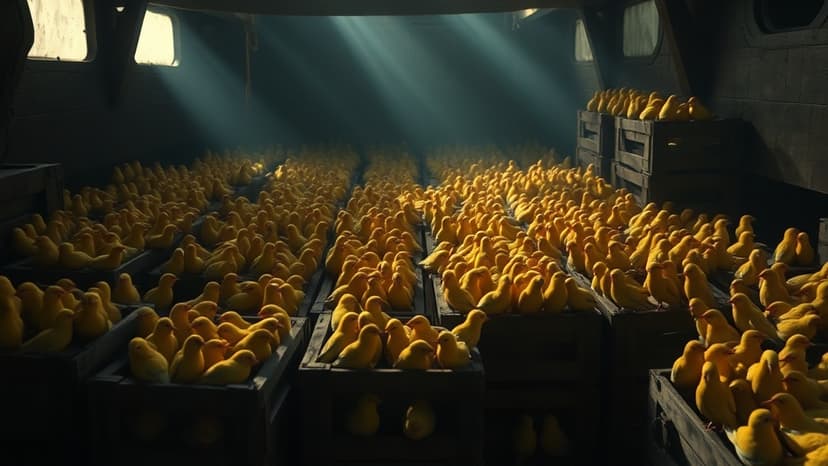
A vast, under-the-radar trade has seen nearly one million small birds transported from Africa to Asia over the past 15 years. A recent study analyzing UN Comtrade data reveals that over 1,085,000 birds were imported into major Asian centers like Hong Kong and Singapore from 2006 to 2020.
Surprisingly, approximately 65% of these imported birds, totaling around 700,000, originated from African nations. This indicates Africa's continued significant role in the bird trade, despite past concerns over avian influenza. The study highlights that these figures likely underestimate the true scale, as many species are not covered by international regulations like CITES.
Canaries, particularly those in the Crithagra genus, are a prominent part of this trade, making up a substantial percentage of African birds imported into Hong Kong. These birds are valued for their singing abilities and adaptability as pets.
This unregulated trade carries substantial risks, including the decline of wild bird populations and reduced biodiversity. Scientists also warn of potential human health risks from the spread of diseases like avian influenza. Furthermore, introducing non-native species can lead to ecological invasions if birds escape captivity.
The findings expose a significant gap in global wildlife management, with over 80% of bird species not listed under CITES, allowing a large portion of the trade to occur with minimal oversight. Experts emphasize the need for better monitoring, species-specific statistics, and inclusion in international frameworks to address this issue effectively.
