Home / Environment / Hawaii's Green Invasion Fuels Fire Risk
Hawaii's Green Invasion Fuels Fire Risk
28 Jul
Summary
- Non-native grasses now dominate a quarter of Hawaiian land.
- Invasive species like fountain grass spread rapidly.
- Changed vegetation intensifies wildfire frequency and speed.
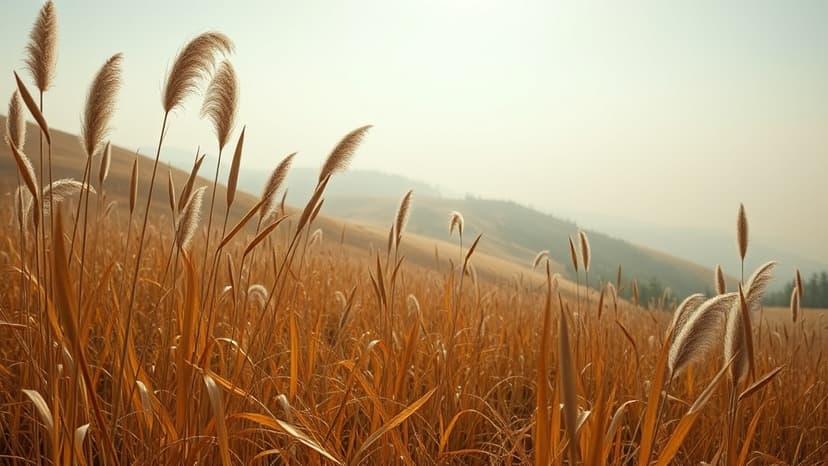
Hawaii's picturesque landscapes are undergoing a profound environmental transformation, largely driven by invasive plant species. Over the past century, introduced vegetation has dramatically altered the islands' ecosystems, significantly increasing wildfire risks. Approximately a quarter of the land area is now covered by highly flammable non-native grasses and woody shrubs.
Fountain grass, initially introduced for ornamental purposes in 1914, has become a dominant invasive species, covering around 200,000 acres. Following the decline of traditional agriculture in the late twentieth century, large tracts of fallow land provided ideal conditions for drought-tolerant grasses to thrive.
Unlike native forests, these invasive grasslands ignite easily, with fine tissues drying rapidly and accumulating slow-decaying dead material. This creates a fast-moving fuel source that can generate warmer, drier microclimates, extending the risk of fire throughout the year.
Conservation efforts, including monitoring vulnerable areas, restoring native vegetation, and reducing dry fuels, are crucial. Landscaping changes and regional cooperation are also vital to prevent new invasive threats and protect communities from the escalating wildfire danger.


