Home / Environment / Low Calf Numbers Threaten Hawaii's Spinners
Low Calf Numbers Threaten Hawaii's Spinners
10 Jul
Summary
- Hawaii's spinner dolphin calves are nearly half the expected stable population number.
- Drone photography measured dolphin lengths to estimate population age structure.
- Human disturbance during critical resting hours may reduce dolphin reproduction.
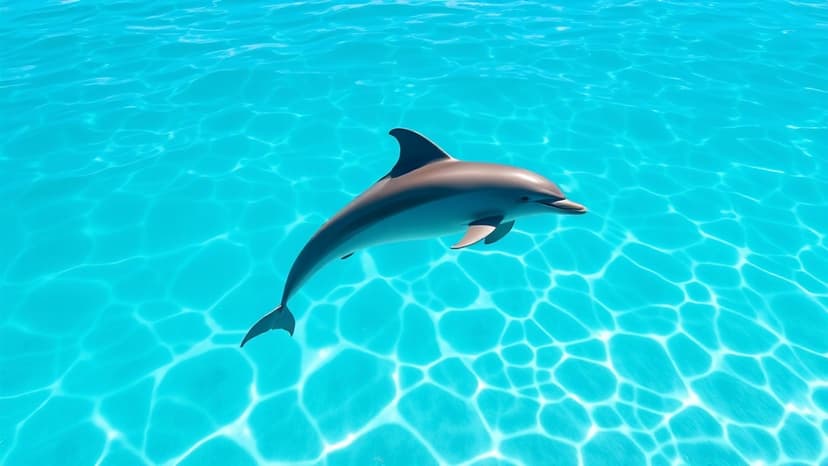
Hawaii's spinner dolphins, a major tourist attraction, are under significant stress, potentially jeopardizing their long-term survival. A recent study revealed that calves constitute only 9% of the population, a figure nearly half of what is expected for a stable group. This imbalance suggests the isolated population may not be reproducing sufficiently.
Researchers employed drone imagery to measure the body lengths of free-swimming dolphins, combining this data with information from stranded animals. This method allowed them to estimate the age structure, identifying calves under two years old, juveniles aged two to nine, and adults over nine. The findings indicate a concerning scarcity of young dolphins.
Spinner dolphins in Hawaii follow a predictable routine: hunting offshore at night and resting in shallow bays during the day. This daytime resting period often coincides with peak tourism activities, leading to human disturbance. Scientists believe this persistent interference during critical rest hours negatively impacts reproduction and calf survival.
While regulations like maintaining a 50-yard distance from dolphins were introduced in 2021, some experts argue these measures may be insufficient. The study's authors recommend time-area closures, temporarily restricting human access to resting bays during daylight hours to allow dolphins undisturbed rest. Such measures could help prevent irreversible population declines and foster sustainable coexistence between tourism and conservation.


