feedzop-word-mark-logo
searchLogin
Feedzop
homeFor YouUnited StatesUnited States
You
bookmarksYour BookmarkshashtagYour Topics
Trending
Terms of UsePrivacy PolicyAboutJobsPartner With Us

© 2026 Advergame Technologies Pvt. Ltd. ("ATPL"). Gamezop ® & Quizzop ® are registered trademarks of ATPL.

Gamezop is a plug-and-play gaming platform that any app or website can integrate to bring casual gaming for its users. Gamezop also operates Quizzop, a quizzing platform, that digital products can add as a trivia section.

Over 5,000 products from more than 70 countries have integrated Gamezop and Quizzop. These include Amazon, Samsung Internet, Snap, Tata Play, AccuWeather, Paytm, Gulf News, and Branch.

Games and trivia increase user engagement significantly within all kinds of apps and websites, besides opening a new stream of advertising revenue. Gamezop and Quizzop take 30 minutes to integrate and can be used for free: both by the products integrating them and end users

Increase ad revenue and engagement on your app / website with games, quizzes, astrology, and cricket content. Visit: business.gamezop.com

Property Code: 5571

Home / Environment / Hawaii's Feral Cats Face Ban Over Endangered Goose

Hawaii's Feral Cats Face Ban Over Endangered Goose

26 Dec, 2025

•

Summary

  • Hawaii County law bans feeding feral animals on county property starting next year.
  • The ban aims to protect native species like the endangered nene goose.
  • Cat lovers argue the ban will hinder neutering efforts and harm felines.
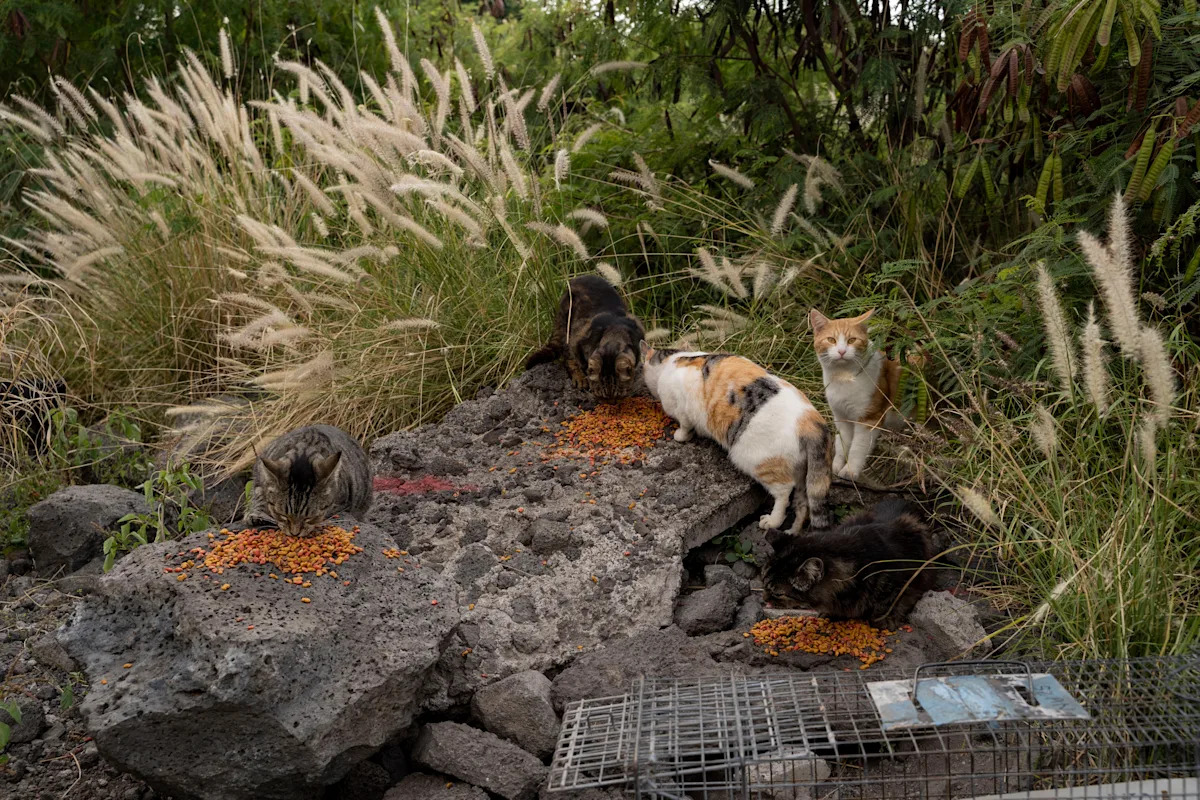
Hawaii's Feral Cats Face Ban Over Endangered Goose

Hawaii County is implementing a new law, effective at the start of the new year, that prohibits feeding feral animals on county property. This initiative is primarily driven by the need to protect native Hawaiian species, particularly the endangered nene goose, from the predatory impact of feral cats. The law has sparked significant debate, with many cat advocates opposing the measure.

Opponents argue that the ban will impede ongoing efforts to manage feral cat populations through trap-neuter-return programs. They express concern that hungry cats will be forced to hunt native wildlife more aggressively. While the exact number of feral cats on the Big Island is unknown, estimates suggest tens of thousands, with many colonies sustained by dedicated feeders.

The ban's proponents, including state wildlife biologists, emphasize the direct and indirect threats feral cats pose to native wildlife. These threats include predation, disease transmission through feces, and the attraction of native animals to human-provided food sources. The incident of a nene being killed by a car near a cat feeding station highlights the dangerous intersections between feral animal feeding and native species conservation.

trending

Roblox CEO sells stock

trending

Tigers linked to Bassitt, Giolito

trending

Wawrinka gets Australian Open wildcard

trending

Ozark Trail stoves recalled

trending

Switzerland reaches United Cup final

trending

Hurkacz leads Poland to title

trending

Medvedev credits Aussie coach revival

trending

Adithya Ashok: New Zealand Squad

Disclaimer: This story has been auto-aggregated and auto-summarised by a computer program. This story has not been edited or created by the Feedzop team.
The ban is intended to protect native Hawaiian species, such as the endangered nene goose, from the impact of feral cats.
Opponents believe the ban will harm cats, hinder neutering efforts, and force them to hunt native species.
Estimates suggest there are well into the tens of thousands of feral cats on the Big Island.

Read more news on

Environmentside-arrow

You may also like

Hawaii's Doctor Shortage Worsens Dramatically

10 Jan • 22 reads

article image

Cat Crisis: Rescuer Drives 300 Miles for Space

16 hours ago • 4 reads

article image

Ohio Welcomes Back Elusive Fisher After 200 Years

19 Dec, 2025 • 120 reads

article image

Homeless Encampment Cleared from Nature Preserve

11 Dec, 2025 • 25 reads

article image

Lab Monkey Survives Crash, Finds New Life

3 Dec, 2025 • 201 reads

article image