Home / Environment / Hawaii's Feral Cats Face Ban Over Endangered Goose
Hawaii's Feral Cats Face Ban Over Endangered Goose
26 Dec
Summary
- Hawaii County law bans feeding feral animals on county property starting next year.
- The ban aims to protect native species like the endangered nene goose.
- Cat lovers argue the ban will hinder neutering efforts and harm felines.
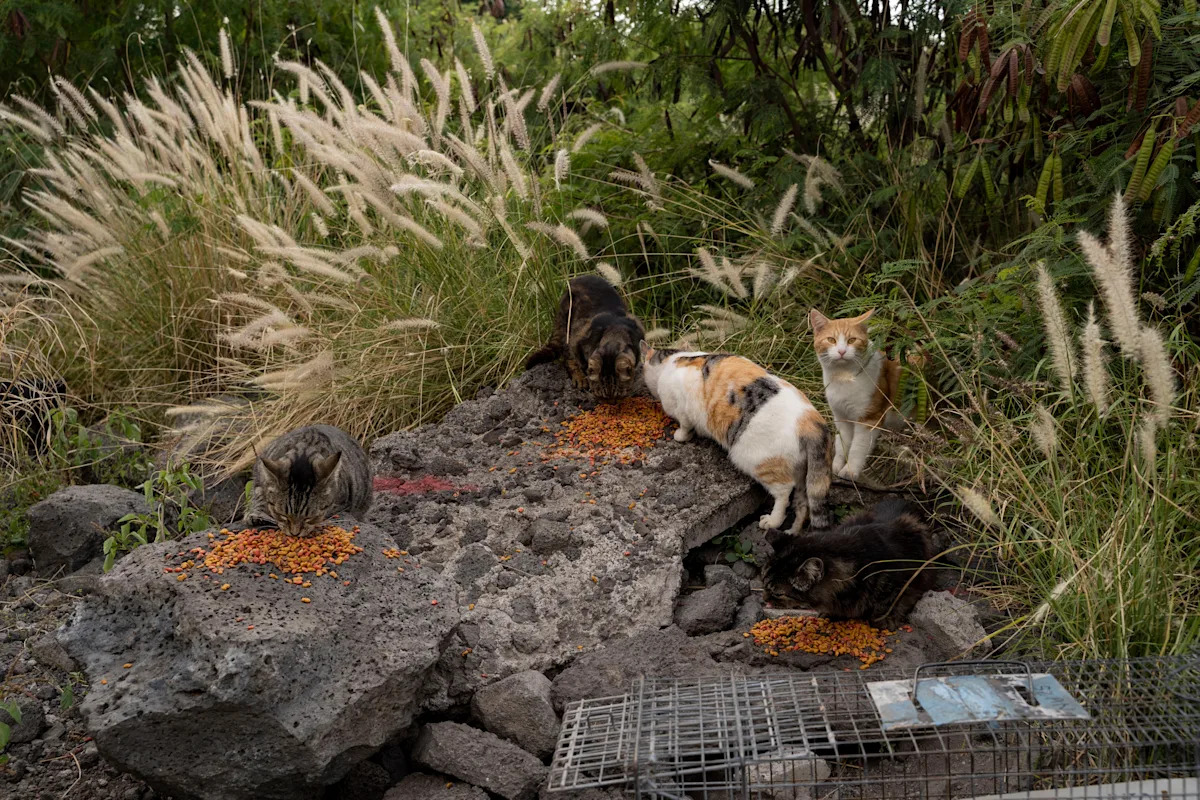
Hawaii County is implementing a new law, effective at the start of the new year, that prohibits feeding feral animals on county property. This initiative is primarily driven by the need to protect native Hawaiian species, particularly the endangered nene goose, from the predatory impact of feral cats. The law has sparked significant debate, with many cat advocates opposing the measure.
Opponents argue that the ban will impede ongoing efforts to manage feral cat populations through trap-neuter-return programs. They express concern that hungry cats will be forced to hunt native wildlife more aggressively. While the exact number of feral cats on the Big Island is unknown, estimates suggest tens of thousands, with many colonies sustained by dedicated feeders.
The ban's proponents, including state wildlife biologists, emphasize the direct and indirect threats feral cats pose to native wildlife. These threats include predation, disease transmission through feces, and the attraction of native animals to human-provided food sources. The incident of a nene being killed by a car near a cat feeding station highlights the dangerous intersections between feral animal feeding and native species conservation.