Home / Environment / Hair Today, Clean Water Tomorrow: Salon Waste Tackles Pollution
Hair Today, Clean Water Tomorrow: Salon Waste Tackles Pollution
23 Aug
Summary
- Human hair mats absorb oil and contaminants from polluted water.
- Discarded hair is recycled into mats to clean drains and waterways.
- The initiative is being tested in Gurugram with promising results.
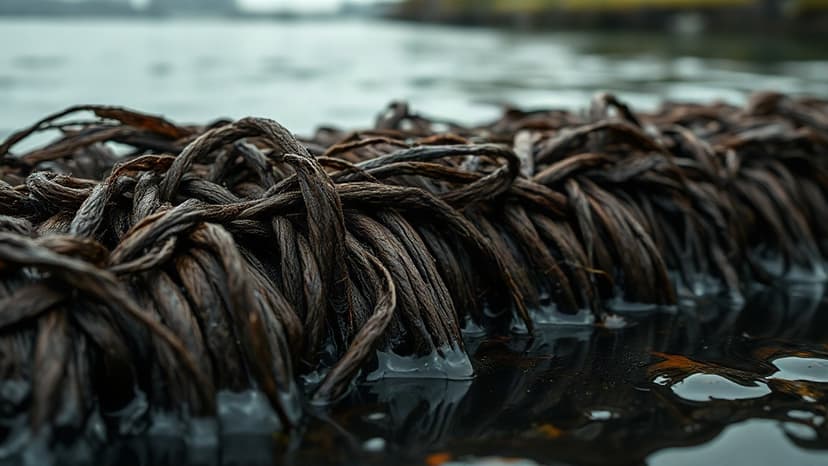
In an innovative approach to environmental cleanup, discarded human hair is being repurposed in Gurugram to tackle water pollution. Rahul Gupta of the Kesakambali Foundation collects hair from salons and crafts it into dense mats through a felting process. These mats are then deployed in floating barriers within polluted drains and waterways.
The HydroHair Barrier System leverages the natural absorbent properties of human hair to trap suspended materials and oils. As water passes through, a natural biofilm can develop, with bacteria further breaking down organic pollutants. This system is designed to complement, not replace, conventional sewage treatment plants.
Pilot testing in a Gurugram stormwater drain, independently verified, showed reductions in BOD, COD, suspended solids, and faecal coliform. While treated water did not meet all government discharge standards, the results indicate potential as an additional filtration layer.
The Kesakambali Foundation, India's first human-hair recycling initiative, partners with hundreds of salons. Their 'cut, collect, transform and reuse' model aims for a circular economy, potentially repurposing used mats into mulch or waste-to-energy products, turning waste into a valuable resource.


