Home / Environment / Gurgaon Groundwater Crisis: Over-Exploitation Soars
Gurgaon Groundwater Crisis: Over-Exploitation Soars
7 Mar
Summary
- Gurgaon groundwater extraction exceeds permissible limits by 194.6%.
- Industrial use accounts for a significant portion of groundwater withdrawal.
- Groundwater recharge heavily depends on monsoon rainfall and surface water.
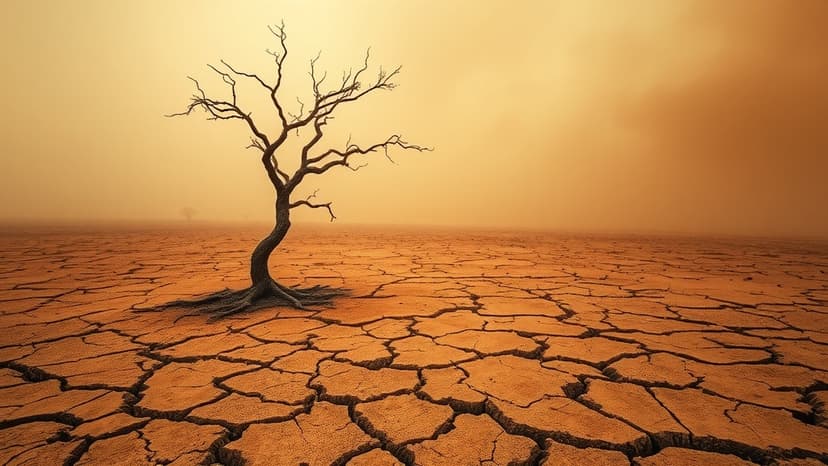
Gurgaon's groundwater extraction has reached a critical point, exceeding permissible limits by 194.6% as of the latest Central Ground Water Board (CGWB) report for 2025. This indicates an ongoing and severe depletion of underground water resources, despite marginal improvements from previous years.
The city draws approximately 40,396 hectare-metres of groundwater annually, far surpassing the sustainable extractable resource of 22,923 hectare-metres. This unsustainable practice is driven by a combination of factors, including rapid urbanization and industrial demand, which accounts for a substantial portion of the extraction.
Industrial use accounts for 17,142 ham, while domestic consumption is 5,191 ham, and irrigation uses over 21,267 ham, particularly in peri-urban areas. Limited recharge from monsoon rains and surface water sources exacerbates the problem.
Across Haryana, several districts face severe groundwater stress, with Karnal, Kurukshetra, and Panipat reporting extraction levels exceeding 200%. Only a quarter of Haryana's groundwater assessment units are in a 'safe' category, highlighting a widespread issue.
Experts attribute the pressure on aquifers to increased water demand from a rising population and industrial activity. Inadequate piped water supply forces residents and industries to rely heavily on private borewells, further straining groundwater resources.