feedzop-word-mark-logo
searchLogin
Feedzop
homeFor YouUnited StatesUnited States
You
bookmarksYour BookmarkshashtagYour Topics
Trending
trending

Taipei mass stabbing kills four

trending

Rhode Island energy outage

trending

YouTube and Google faced outages

trending

Luke Air Force Base shooting

trending

Metro Detroit school closings Friday

trending

Target app outage reported

trending

Colorado power shutoffs evaluated

trending

Slippery road conditions expected

trending

Rocket Lab stock surges

Terms of UsePrivacy PolicyAboutJobsPartner With Us

© 2025 Advergame Technologies Pvt. Ltd. ("ATPL"). Gamezop ® & Quizzop ® are registered trademarks of ATPL.

Gamezop is a plug-and-play gaming platform that any app or website can integrate to bring casual gaming for its users. Gamezop also operates Quizzop, a quizzing platform, that digital products can add as a trivia section.

Over 5,000 products from more than 70 countries have integrated Gamezop and Quizzop. These include Amazon, Samsung Internet, Snap, Tata Play, AccuWeather, Paytm, Gulf News, and Branch.

Games and trivia increase user engagement significantly within all kinds of apps and websites, besides opening a new stream of advertising revenue. Gamezop and Quizzop take 30 minutes to integrate and can be used for free: both by the products integrating them and end users

Increase ad revenue and engagement on your app / website with games, quizzes, astrology, and cricket content. Visit: business.gamezop.com

Property Code: 5571

Home / Environment / Greek Fir Trees Dying Off Amidst Climate Crisis

Greek Fir Trees Dying Off Amidst Climate Crisis

19 Dec

•

Summary

  • Greek firs are dying in Peloponnese mountains, even without fires.
  • Prolonged drought and invasive bark beetles are killing the trees.
  • Climate breakdown exacerbates these pressures, creating an ecological crisis.
Greek Fir Trees Dying Off Amidst Climate Crisis

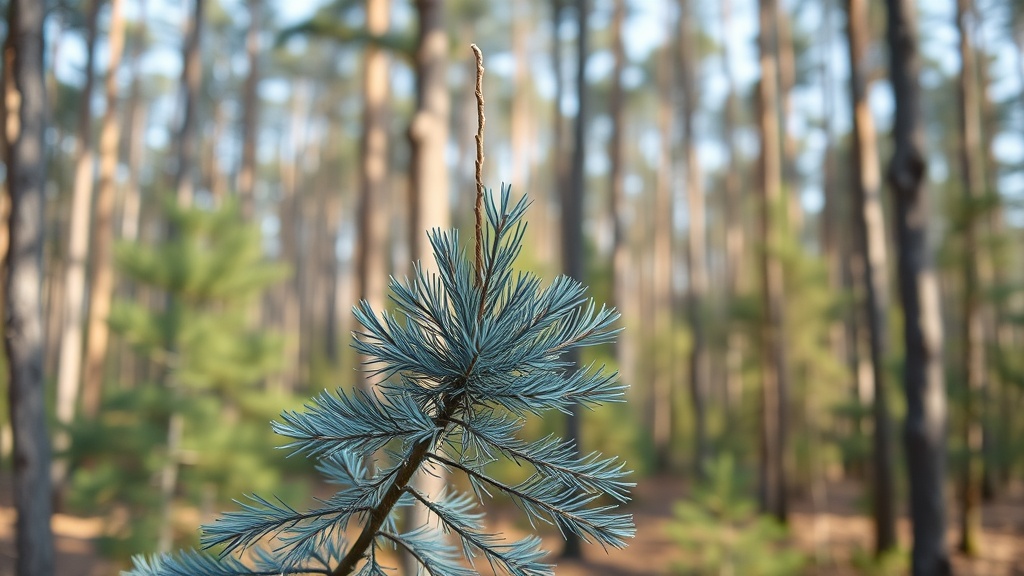
The majestic Greek firs in the Peloponnese mountains are facing an unprecedented crisis, with vast swathes of forest turning brown and dying. Even areas not affected by fires are showing significant tree mortality, alarming scientists like Dimitrios Avtzis from the Forest Research Institute. This complex die-off is not solely due to fires, which have historically been a part of the ecosystem.

Researchers point to a convergence of factors intensified by climate breakdown. Severe, prolonged drought has weakened the trees, exacerbated by declining winter snowpack which reduces crucial moisture. This vulnerability allows bark beetles, particularly of the Scolytinae subfamily, to thrive, boring into trees and disrupting their vital water and nutrient transport systems. These insect outbreaks are becoming a significant threat across Europe.

While Mediterranean ecosystems possess regenerative capacity, recovery is slow and may take several years. Forest climatologist Nikos Markos suggests that post-fire regeneration can be satisfactory, but emphasizes the need for immediate government action. Mobilizing funding and implementing recovery plans are critical steps to confront this escalating ecological challenge and protect Greece's highland forests from future, more frequent, and intense climate-related events.

Disclaimer: This story has been auto-aggregated and auto-summarised by a computer program. This story has not been edited or created by the Feedzop team.
Greek fir trees are dying due to a combination of prolonged drought and bark beetle infestations, exacerbated by climate change, even in areas not affected by fires.
Climate change intensifies the crisis by causing prolonged droughts and weakening trees, making them susceptible to bark beetle outbreaks, which are also becoming more prevalent across Europe.
Yes, bark beetles have emerged as a significant threat, attacking drought-stressed Greek fir trees by damaging their internal systems for water and nutrient transport.

Read more news on

Environmentside-arrowGreeceside-arrow

You may also like

Forests: Earth's Vital Lungs Under Threat

17 Dec • 5 reads

article image

Orchid Patch Devastated by Forestry Work

10 Dec • 41 reads

article image

Cave Shocker: World's Largest Spider Web Discovered!

18 Nov • 135 reads

Charity Launches £3.6M Plan to Rewild Scottish Highlands with Lynx, Squirrels, and Aurochs

14 Nov • 79 reads

article image

Prehistoric "Drop Crocs" Discovered in Australia's Backyard

13 Nov • 15 reads

article image