Home / Environment / Hope for India's Bustards: Chicks Released into Wild Enclosures
Hope for India's Bustards: Chicks Released into Wild Enclosures
3 Oct
Summary
- Critically endangered Great Indian Bustards face pilot wild release.
- Two GIB chicks will be radio-tagged for movement monitoring.
- Project GIB aims for long-term recovery of the Thar landscape species.
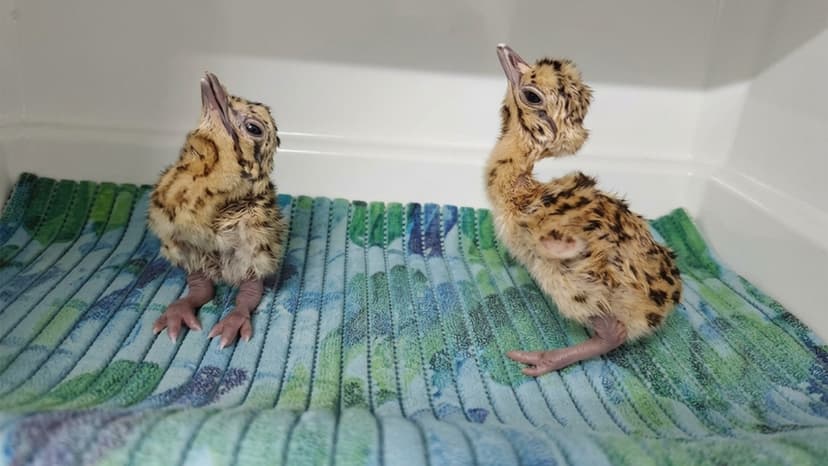
The conservation of the critically endangered Great Indian Bustard (GIB) is entering a crucial phase with a pilot wild release of at least two captive-bred chicks. This event, scheduled for October 4, signifies the start of the 'rewilding' stage of Project GIB, which has been ongoing since 2013 to ensure the long-term survival of this flagship species in the Thar landscape.
Two young male GIB chicks, aged four to six months, are slated for release within secure enclosures in the Desert National Park (DNP) in Jaisalmer. These birds will be equipped with radio tags to meticulously track their movements and understand their adaptation to the wild. This pilot release follows soft releases of other chicks in an aviary at Sam, preparing them for eventual rewilding.
With a wild population estimated between 120-150, the GIB faces significant threats including habitat loss and collisions with power lines. The Supreme Court has mandated that power lines in certain areas must be buried underground by December 2027. Captive breeding efforts have been extensive, with around 98 Bustards bred at conservation centers. The timing of the release, post-monsoon, is strategic to ensure ample insect availability for the chicks, considering the GIB's slow reproduction rate.


