feedzop-word-mark-logo
searchLogin
Feedzop
homeFor YouUnited StatesUnited States
You
bookmarksYour BookmarkshashtagYour Topics
Trending
Terms of UsePrivacy PolicyAboutJobsPartner With Us

© 2026 Advergame Technologies Pvt. Ltd. ("ATPL"). Gamezop ® & Quizzop ® are registered trademarks of ATPL.

Gamezop is a plug-and-play gaming platform that any app or website can integrate to bring casual gaming for its users. Gamezop also operates Quizzop, a quizzing platform, that digital products can add as a trivia section.

Over 5,000 products from more than 70 countries have integrated Gamezop and Quizzop. These include Amazon, Samsung Internet, Snap, Tata Play, AccuWeather, Paytm, Gulf News, and Branch.

Games and trivia increase user engagement significantly within all kinds of apps and websites, besides opening a new stream of advertising revenue. Gamezop and Quizzop take 30 minutes to integrate and can be used for free: both by the products integrating them and end users

Increase ad revenue and engagement on your app / website with games, quizzes, astrology, and cricket content. Visit: business.gamezop.com

Property Code: 5571

Home / Environment / Grass-Fed Beef: Climate Friend or Foe?

Grass-Fed Beef: Climate Friend or Foe?

12 Jan

•

Summary

  • Grass-fed beef can produce more methane emissions than industrial beef.
  • Additional time on pasture increases methane production over years.
  • Reducing overall meat consumption offers the biggest climate benefit.
Grass-Fed Beef: Climate Friend or Foe?

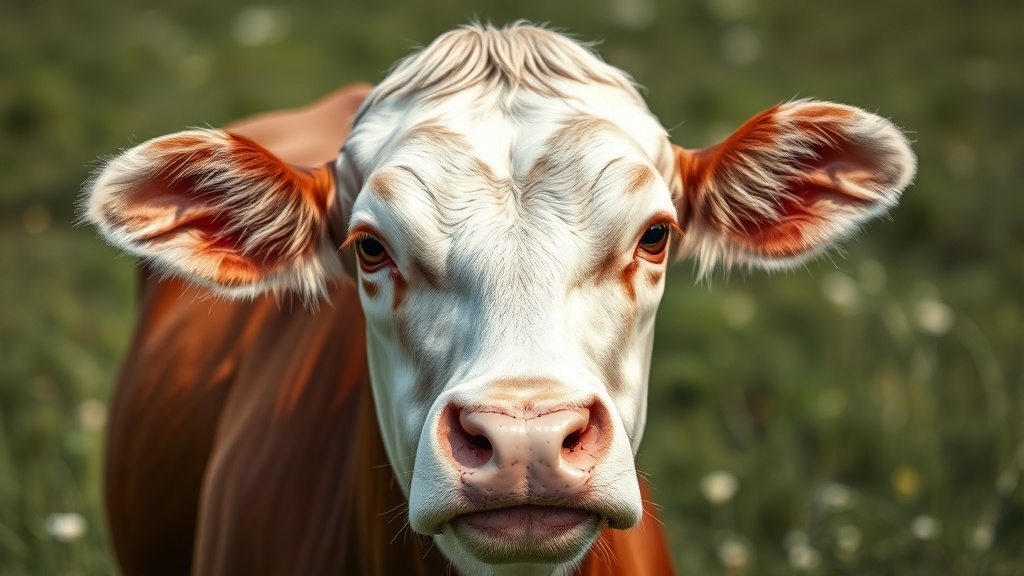
The environmental impact of grass-fed beef is more complex than often assumed. While it avoids some issues of industrial feedlots, such as manure runoff, the extended time cows spend grazing leads to increased methane emissions. Methane is a potent greenhouse gas, significantly contributing to climate change.

Recent analyses indicate that even efficient grass-fed operations can produce at least 10 percent more emissions per kilogram of protein than industrial beef. While grazing can sequester carbon in soil, this benefit is limited and may not offset the methane produced by the animals over their longer lifespan.

Experts suggest that the most impactful way to reduce the climate footprint of beef consumption is by decreasing overall meat intake. Reducing the frequency and quantity of beef consumed by the majority of people offers a greater environmental benefit than solely opting for grass-fed alternatives.

trending

Baggage handler trapped on plane

trending

Pittman accused in synagogue fire

trending

Red Wings beat Hurricanes

trending

Anthropic releases Claude Cowork feature

trending

Texans rolling into playoffs

trending

FA Cup fourth-round draw

trending

Tottenham close to Gallagher deal

trending

Koepka returns to PGA Tour

trending

Celtics Pacers game on Peacock

Disclaimer: This story has been auto-aggregated and auto-summarised by a computer program. This story has not been edited or created by the Feedzop team.
Yes, grass-fed beef operations can result in higher methane emissions because the animals often take longer to reach market weight.
Ron Milo's study found that grass-fed beef operations mostly don't offset their methane emissions, even with soil carbon sequestration.
The most significant climate benefit comes from the majority of people reducing their overall meat consumption.

Read more news on

Environmentside-arrow

You may also like

Australia's Forests Dying Faster as Climate Warms

6 Jan • 54 reads

article image

One Burger a Week: Earth's New Eco-Friend?

28 Dec, 2025 • 55 reads

article image

E. coli found; Scottish Water piped contaminated water for a year

21 Dec, 2025 • 96 reads

article image

Egg Yolks Hold Brain-Boosting Secret

18 Dec, 2025 • 119 reads

article image

New Year Garden Trends: Climate-Proof Plants Lead the Way

15 Dec, 2025 • 162 reads

article image