Home / Environment / Grass-Fed Beef: Climate Friend or Foe?
Grass-Fed Beef: Climate Friend or Foe?
12 Jan
Summary
- Grass-fed beef can produce more methane emissions than industrial beef.
- Additional time on pasture increases methane production over years.
- Reducing overall meat consumption offers the biggest climate benefit.
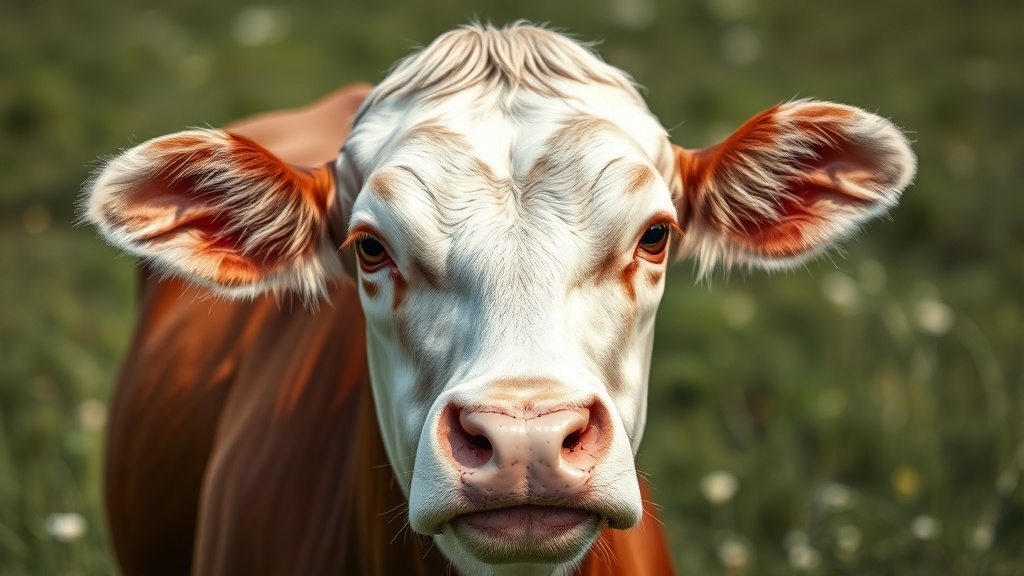
The environmental impact of grass-fed beef is more complex than often assumed. While it avoids some issues of industrial feedlots, such as manure runoff, the extended time cows spend grazing leads to increased methane emissions. Methane is a potent greenhouse gas, significantly contributing to climate change.
Recent analyses indicate that even efficient grass-fed operations can produce at least 10 percent more emissions per kilogram of protein than industrial beef. While grazing can sequester carbon in soil, this benefit is limited and may not offset the methane produced by the animals over their longer lifespan.
Experts suggest that the most impactful way to reduce the climate footprint of beef consumption is by decreasing overall meat intake. Reducing the frequency and quantity of beef consumed by the majority of people offers a greater environmental benefit than solely opting for grass-fed alternatives.