Home / Environment / Gomti River Revival: Ponds Hold the Key
Gomti River Revival: Ponds Hold the Key
27 Jul
Summary
- Thousands of ponds and lakes in the Gomti basin are crucial for river revival.
- River flow has declined by 40% over four decades due to shrinking wetlands.
- Pilibhit district is implementing a basin-level conservation model for the Gomti.
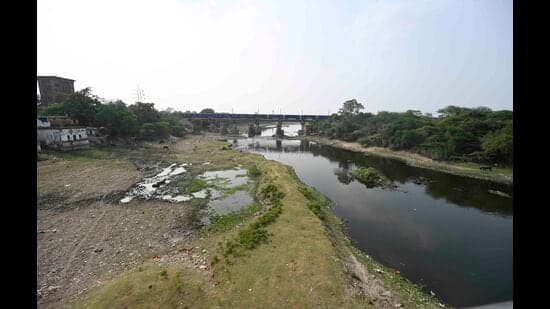
The Gomti River's survival hinges on the restoration of its extensive network of nearly 10,000 ponds, lakes, and wetlands. These traditional water bodies, once integral to the river's hydrological system, are currently facing encroachment, siltation, and neglect.
Experts highlight that these water bodies within a two-kilometre radius of the Gomti and its tributaries once stored monsoon rain and recharged groundwater. Decades of land-use changes, including urbanization and waste dumping, have diminished their capacity, contributing to a 40% decline in river flow over the past four decades.
Professor Venkatesh Dutta advocates for a basin-wide ecological approach, emphasizing scientific mapping, encroachment removal, and community participation. He also stresses the importance of improved sewage treatment and cautions against concretized riverfront projects that harm ecological resilience.
Pilibhit district has launched an integrated rural development initiative focusing on water conservation and community involvement. This includes renovating ponds under the MGNREGS, a large-scale plantation drive, and developing 'Gomti Mitra' volunteers to support conservation efforts. Lucknow is also prioritizing water conservation and community ownership.


