Home / Environment / Beavers Return: Gloucestershire Council's Wild Plan
Beavers Return: Gloucestershire Council's Wild Plan
17 Feb
Summary
- Council prioritizes beaver reintroduction for nature recovery.
- 113 measures include wetland restoration and wildlife corridors.
- Bat bricks and improved hedgerows aid bat and dormouse populations.
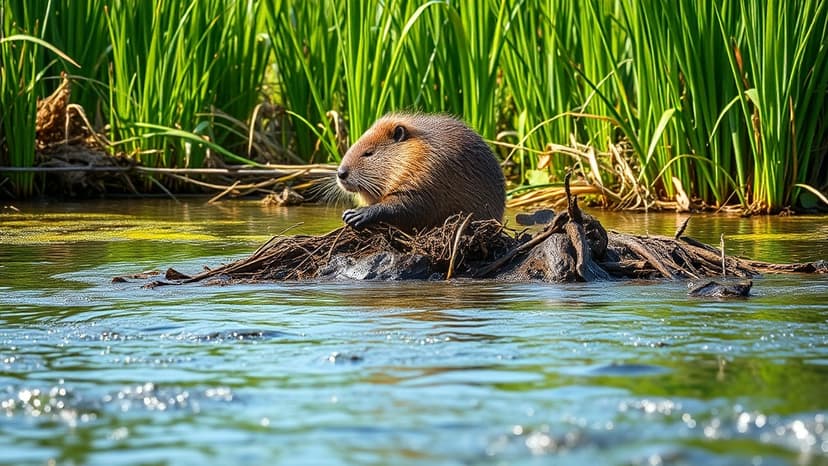
Gloucestershire County Council has launched a comprehensive nature recovery strategy, implementing 113 distinct measures. A key focus is the reintroduction of beavers and the enhancement of habitats to support bat and dormouse populations. This initiative aims to restore natural flood management through wetland regeneration and the expansion of wildlife corridors across the county.
The strategy also encompasses exploring regenerative farming techniques and improving existing infrastructure for wildlife. For instance, bat bricks, designed with small entry slots, will be introduced to provide safe roosting spaces for bats, shielding them from predators. The council is actively engaging with local farmers and landowners.
This engagement includes efforts to restore floodplain meadows and cultivate more species capable of retaining water, thereby reducing the impact of flooding. The plan emphasizes that all local councils must consider Gloucestershire's Local Nature Recovery Strategy in their decision-making processes. The strategy was officially launched at Mitton Manor Primary School, highlighting the importance of educating the next generation.
Councillor Martin Horwood emphasized the strategy's launch at a school as crucial for engaging "the next generation." Pupils from Mitton Manor Primary School's Eco Committee participated in the launch event, with younger students articulating their understanding of environmental conservation. This underscores the council's commitment to fostering a deep-rooted appreciation for nature.