Home / Environment / Global Water Bankruptcy: Planet's Basins Beyond Recovery
Global Water Bankruptcy: Planet's Basins Beyond Recovery
22 Jan
Summary
- Water systems face irreversible damage, pushing basins beyond recovery.
- Chronic groundwater depletion and pollution are key impacts.
- 50% of large lakes lost water since early 1990s.
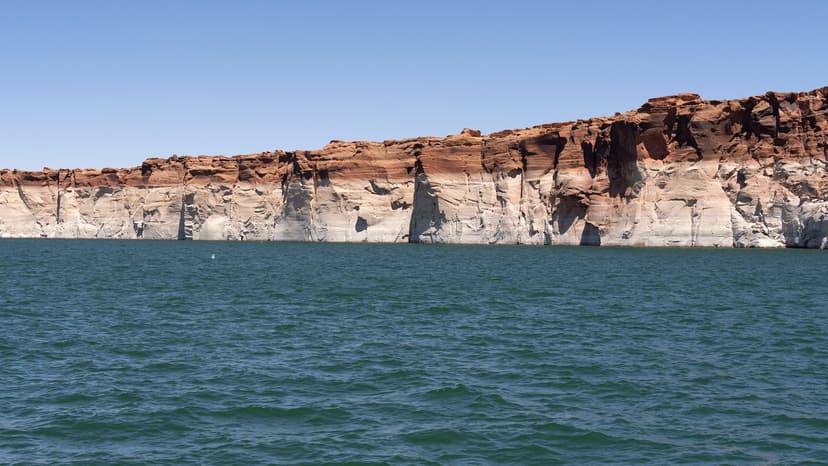
Humanity has entered an era of "water bankruptcy," with critical water systems experiencing irreversible damage that pushes many global basins beyond recovery. This persistent over-withdrawal of surface and groundwater, relative to renewable inflows, results in profound and costly losses of natural water capital. The report identifies chronic groundwater depletion, overallocation, pollution, and land degradation as major contributors to this crisis.
Regions like the Middle East, North Africa, South Asia, and the U.S. Southwest are identified as "hot spots" facing severe water stress and declining water tables. Globally, 50% of large lakes have seen water loss since the early 1990s, impacting a quarter of humanity. Additionally, 70% of major aquifers are in long-term decline, with 40% of irrigation water and 50% of domestic water drawn from these sources.
The overwhelming majority of these detrimental impacts stem from human activities. Consequently, 2 billion people live on sinking ground, and 4 billion face severe water scarcity for at least a month annually. The report, released ahead of the 2026 U.N. Water Conference, urges a fundamental reset of the global water agenda, emphasizing the need to manage water bankruptcy by preventing further irreversible damage and transforming water-intensive sectors.