Home / Environment / Global CO2 Emissions Dip Amidst Geopolitical Tensions
Global CO2 Emissions Dip Amidst Geopolitical Tensions
10 Nov
Summary
- Global fossil fuel CO2 emissions saw a projected 0.4% decrease in 2026.
- Geopolitical events in the Middle East significantly impacted oil supply.
- The remaining carbon budget is less than four years of current emissions.
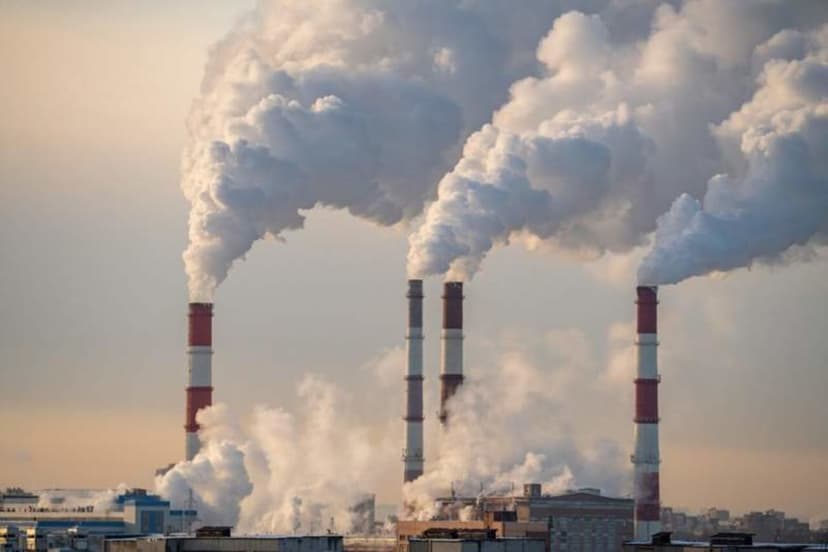
Global carbon emissions from fossil fuels are anticipated to decrease by 0.4% in 2026 compared to the previous year. This projected decline follows a record high in emissions in 2025. The primary driver for this reduction is linked to energy supply constraints stemming from geopolitical events in the Middle East, particularly disruptions affecting traffic through the Strait of Hormuz.
While oil emissions are expected to drop significantly, coal emissions are projected to rise. Experts caution that this decrease is likely a short-term fluctuation, not a sustained trend. Increases in renewable energy sources, notably led by China's efforts in solar, wind, and electric vehicles, are contributing to mitigating emissions growth but are not yet sufficient to secure a global emissions peak.
The world's carbon budget, the amount of CO2 that can still be emitted before reaching the critical 1.5 degrees Celsius warming threshold, is rapidly diminishing. Current estimates indicate less than four years of emissions remain at the present rate. Despite the projected dip in fossil fuel emissions for 2026, atmospheric CO2 concentrations are expected to continue their rise. As global leaders convene for climate negotiations, the urgent need to accelerate the transition away from fossil fuels and expand clean energy generation is paramount.


