feedzop-word-mark-logo
searchLogin
Feedzop
homeFor YouUnited StatesUnited States
You
bookmarksYour BookmarkshashtagYour Topics
Trending
trending

NFL playoff picture Week 15

trending

Broncos, Packers pregame dustup

trending

Rams extend Puka Nacua contract

trending

NHL threatens 2026 Olympics

trending

Snow causes school delays

trending

Pistons beat Atlanta Hawks

trending

Steelers sign Valdes-Scantling

trending

Lainey Wilson joins ManningCast

trending

The Voice season finale

Terms of UsePrivacy PolicyAboutJobsPartner With Us

© 2025 Advergame Technologies Pvt. Ltd. ("ATPL"). Gamezop ® & Quizzop ® are registered trademarks of ATPL.

Gamezop is a plug-and-play gaming platform that any app or website can integrate to bring casual gaming for its users. Gamezop also operates Quizzop, a quizzing platform, that digital products can add as a trivia section.

Over 5,000 products from more than 70 countries have integrated Gamezop and Quizzop. These include Amazon, Samsung Internet, Snap, Tata Play, AccuWeather, Paytm, Gulf News, and Branch.

Games and trivia increase user engagement significantly within all kinds of apps and websites, besides opening a new stream of advertising revenue. Gamezop and Quizzop take 30 minutes to integrate and can be used for free: both by the products integrating them and end users

Increase ad revenue and engagement on your app / website with games, quizzes, astrology, and cricket content. Visit: business.gamezop.com

Property Code: 5571

Home / Environment / Peak Glacier Death Looms: Study Reveals Stark Future

Peak Glacier Death Looms: Study Reveals Stark Future

15 Dec

•

Summary

  • Thousands of glaciers disappearing annually, peaking mid-century.
  • Warming to 2.7C could see only 20% of glaciers remain by 2100.
  • Glacier loss impacts water supply, tourism, and cultural heritage.
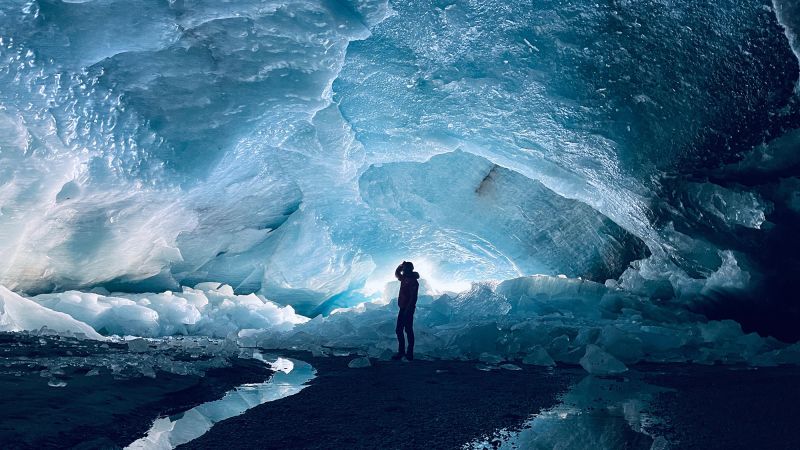
Peak Glacier Death Looms: Study Reveals Stark Future

Glaciers worldwide are facing unprecedented extinction, with new research projecting a peak of up to 4,000 disappearances per year by mid-century if current pollution levels persist. This stark warning comes as the world mourns symbolic losses, like the 700-year-old Pizol glacier in Switzerland, which officially "died" in 2019.

The study, published in Nature Climate Change, focused on tracking individual glacier disappearances rather than just ice mass loss. The rate of extinction is heavily dependent on global warming levels. At 1.5C warming, the peak loss is around 2,000 glaciers annually around 2041. However, at 2.7C, the projected warming if current pledges are met, the world will lose about 3,000 glaciers yearly between 2040 and 2060.

The consequences of this rapid melting extend beyond the visual loss of iconic ice bodies. Glaciers are crucial water sources for many communities, support tourism industries, and hold deep cultural significance. Under a 4C warming scenario, nearly all glaciers could be lost by 2100, underscoring the urgent need to address global heating and its profound environmental and societal impacts.


Disclaimer: This story has been auto-aggregated and auto-summarised by a computer program. This story has not been edited or created by the Feedzop team.
The peak number of glaciers disappearing each year is projected to occur around mid-century, with the exact timing and extent dependent on global warming levels.
A glacier is considered to have disappeared when its area falls below 0.01 square kilometers or its volume reaches less than 1% of its initial volume from around the year 2000.
Higher levels of global warming significantly increase the rate of glacier extinction. For example, 4 degrees Celsius of warming could lead to approximately 4,000 glacier disappearances annually, versus 2,000 at 1.5 degrees.

Read more news on

Environmentside-arrow

You may also like

Polar Bears Rewriting DNA to Survive Climate Change

12 Dec • 35 reads

article image

Geologic CO2 Capture Now in Hours, Not Millennia

10 Dec • 40 reads

article image

Glaciers Matter: Water, Food, Livelihoods at Risk

11 Dec • 23 reads

Tiny Ponds: Nature's Climate Heroes

4 Dec • 77 reads

article image

UK Faces Climate Emergency: Scientists Warn of Catastrophe

27 Nov • 117 reads

article image