Home / Environment / World's Largest Iceberg Disintegrating Rapidly
World's Largest Iceberg Disintegrating Rapidly
19 Jan
Summary
- Iceberg A23a is rapidly shrinking, nearing complete disintegration.
- Hydrofracturing caused by meltwater is accelerating its breakup.
- Warmer ocean temperatures and clear weather hasten its demise.
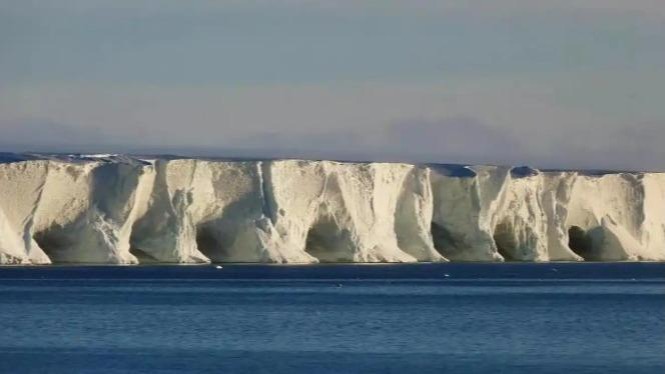
China's Fengyun-3D satellite has captured crucial imagery revealing that the massive iceberg A23a is rapidly breaking apart. The main section of the iceberg, which originally calved from Antarctica in 1986, has shrunk to a mere 506 square kilometers. This dramatic collapse has accelerated significantly in recent weeks, with projections suggesting its complete disappearance within the coming weeks.
The primary driver behind A23a's swift demise is hydrofracturing. Meltwater ponds and glacial lakes on the iceberg's surface create immense pressure, exacerbating the breakup. Satellite images clearly show the accumulation of meltwater trapped by natural ridges along the iceberg's edges.
Compounding these internal pressures, the current Southern Hemisphere summer conditions are hastening the process. Rising air temperatures, seawater exceeding 3 degrees Celsius, and relatively clear weather are eroding the ice. Combined with ocean currents pushing the fragments northward, the end of A23a appears imminent.