Home / Environment / Ghost Forests Rise as Seas Swell
Ghost Forests Rise as Seas Swell
14 Mar
Summary
- Saltwater intrusion turns coastal forests into ghost forests.
- These ghost forests disrupt the carbon cycle by releasing heat-trapping gases.
- Transitioning to renewable energy is key to slowing sea-level rise.
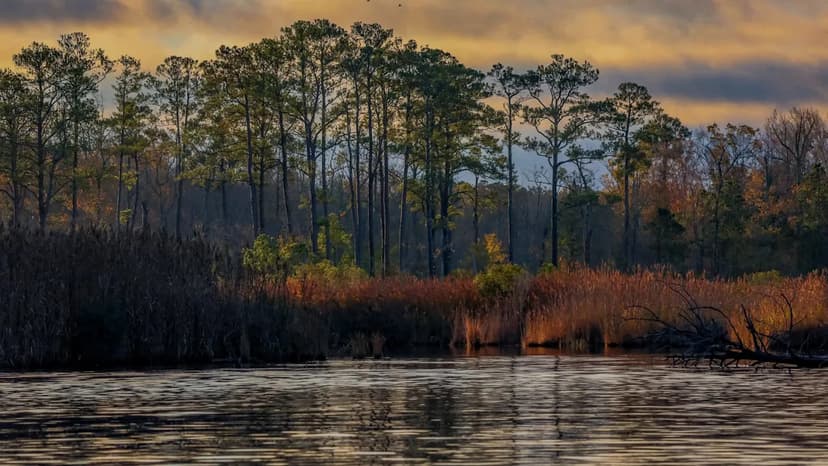
Coastal ecosystems are undergoing a significant transformation as rising sea levels, fueled by the accelerating climate crisis, drive saltwater intrusion. This phenomenon is creating "ghost forests," where vibrant woodlands are succumbing to the increased salinity. The Chesapeake Bay region, for instance, is experiencing a noticeable increase in these dead or dying forests, which are being replaced by invasive marshes.
The transition from forest to marshland disrupts crucial ecological processes. Forests naturally absorb more carbon pollution than they release, playing a vital role in regulating the atmosphere. However, as trees die in ghost forests, they can eventually contribute to the very heat-trapping gases that accelerate global warming. Furthermore, these weakened coastlines lose their natural buffer against storms, increasing vulnerability to erosion and storm surge.
Scientists emphasize that a global shift towards renewable energy sources is paramount to cooling the planet and slowing the rate of sea-level rise. Raising public awareness and supporting policies that address climate change are also highlighted as essential actions to protect coastal ecosystems and mitigate the far-reaching consequences of saltwater encroachment.