Home / Environment / Germany's Renewables Curtailment Surges Amid Price Drop
Germany's Renewables Curtailment Surges Amid Price Drop
27 Jul
Summary
- Germany saw a 20% increase in commercial curtailment in early 2026.
- New German law incentivizes shutting down renewables during negative prices.
- Battery storage and smart meters are key to reducing European curtailment.
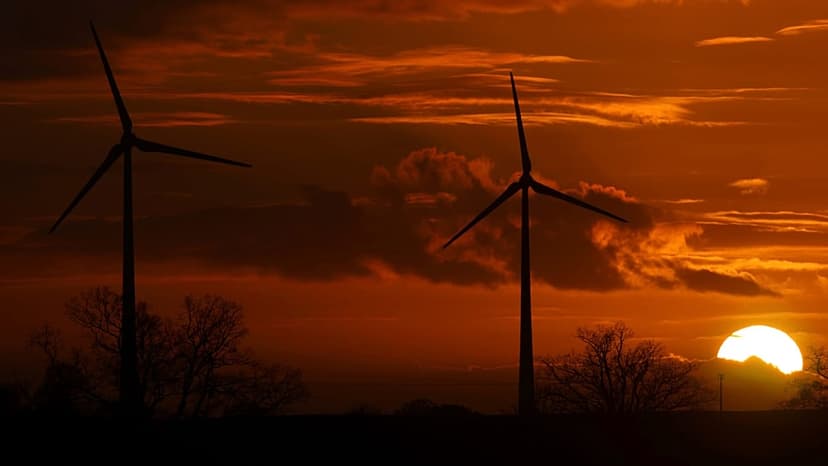
Commercial curtailment of solar and wind energy has fallen across most of Europe in the first half of 2026. Germany, however, saw a significant 20% increase in this practice. Despite a 23% decrease in negative price hours, German renewable generators are increasingly switching off production. This trend is driven by the nation's Solar Peak Act, introduced in February 2025, which removes subsidy top-ups when wholesale prices drop below zero. This creates a strong financial incentive to cease generation during these periods.
In contrast, France experienced a 32% reduction in commercial curtailment, even as negative price hours rose. Favorable subsidy rules and increased demand, partly due to a June heatwave, helped mitigate curtailment. Finland saw the sharpest decline, with an 89% drop, largely due to a Nordic hydrological deficit that raised wholesale prices and reduced oversupply. Other countries like the Netherlands and Belgium also reported decreases.
Experts emphasize that national market design and subsidy regimes heavily influence curtailment. Germany's situation highlights the urgent need for increased investment in battery storage and demand-response technologies. These solutions are vital for absorbing the growing volume of renewable energy and preventing it from being commercially curtailed, ensuring a more stable and efficient green energy transition.


