
Home / Environment / Germany Battles Poisonous Caterpillar Invasion
Germany Battles Poisonous Caterpillar Invasion
24 Jun
Summary
- Toxic caterpillars cause rashes, breathing issues, and park closures.
- Oak processionary moth caterpillars release microscopic toxic hairs.
- Authorities use vacuum machines to remove nests from trees.
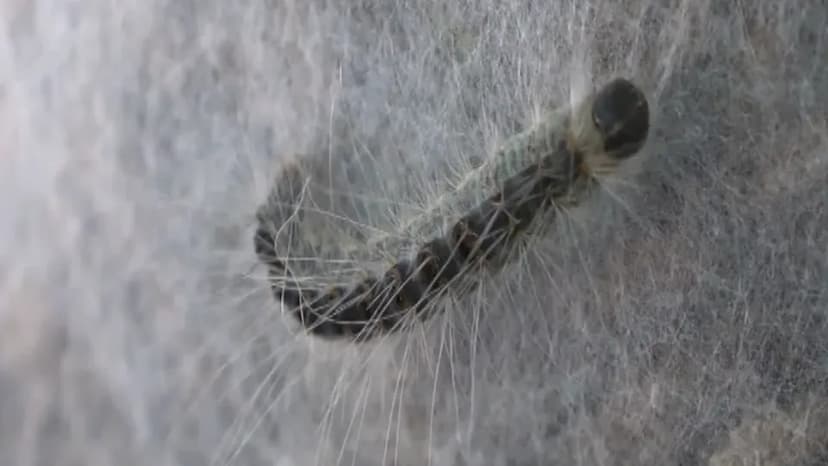
An aggressive outbreak of poisonous oak processionary moth caterpillars is currently affecting numerous areas across Germany, forcing the closure of parks and outdoor recreational spaces. These caterpillars possess microscopic, barbed hairs containing a toxin that can lead to painful rashes, conjunctivitis, and respiratory distress upon contact with humans. The toxic hairs easily detach and can be dispersed by wind, posing a widespread risk. Infestations are particularly acute in Berlin, with several districts experiencing significant problems, leading to popular green spaces being cordoned off with warning tape.
In response, authorities are deploying specialized teams equipped with protective gear and industrial vacuum machines, typically used for asbestos management, to remove the caterpillar nests from trees. This method aims to contain the spread of the toxic micro-hairs. Despite these efforts, officials acknowledge that eradication is not feasible and focus on mitigating damage, particularly around public pathways. The problem is exacerbated by hot and dry weather conditions, with the caterpillars originating from southern Europe and gradually spreading northward, a trend linked to climate change and biodiversity loss. Other German cities like Hamburg and the state of North Rhine-Westphalia have also reported significant infestations.
