Home / Environment / From Death Strip to Green Paradise: Germany's Wild Border
From Death Strip to Green Paradise: Germany's Wild Border
11 Dec
Summary
- Germany's Green Belt transformed a fortified border into a vibrant nature reserve.
- The former 'death strip' now hosts over 1,200 rare and endangered species.
- The European Green Belt initiative aims to replicate this success across the continent.
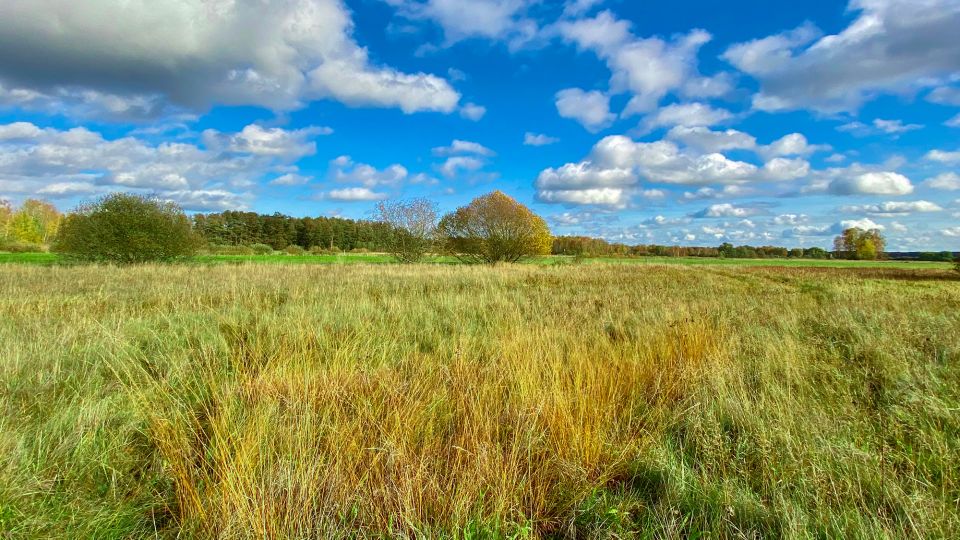
The Grünes Band, or Green Belt, in Germany, stretching 860 miles along the former East-West German border, has evolved from a dangerous no-man's land into a thriving ecological corridor. This area, once laced with mines and patrolled to prevent escapes, now showcases diverse orchids, wetlands, and abundant birdlife, serving as a testament to nature's ability to reclaim even the most militarized landscapes.
Initiated by conservationists shortly after the fall of the Berlin Wall in 1989, the Green Belt concept aimed to preserve this accidental wildlife sanctuary. The initiative gained significant momentum with endorsements from Mikhail Gorbachev and official designation as part of Germany's National Natural Heritage by Chancellor Angela Merkel in 2005, ensuring its protection as Germany's longest biotope network.
This remarkable transformation from a symbol of division to a haven for biodiversity has inspired the extension of the Green Belt concept across Europe. The European Green Belt initiative seeks to create a similar network of protected areas along former Cold War frontiers, recognizing the dual benefits of ecological preservation and natural defense strategies.