Home / Environment / Europe's Largest Lakes Rise from German Mines
Europe's Largest Lakes Rise from German Mines
13 Jul
Summary
- Former lignite mines are now Europe's largest artificial lake system.
- Reclamation transformed industrial scars into tourism and energy hubs.
- Lower Lusatia showcases ambitious post-mining landscape rehabilitation.
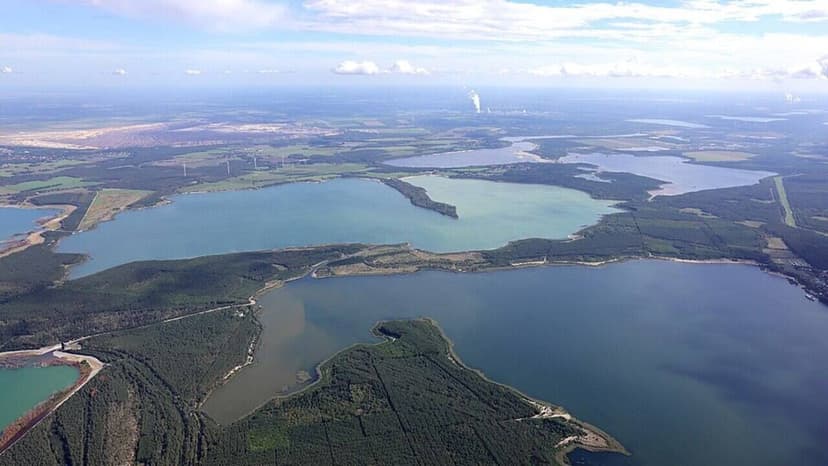
For over a century, Lower Lusatia in eastern Germany was defined by lignite mining. This industry left behind vast craters and significant environmental damage. However, the region has since undertaken one of Europe's most ambitious post-mining transformations.
Former lignite mines have been intentionally flooded, creating Europe's largest system of artificial lakes. This extensive network, known as the Lusatian Lakeland, is connected by navigable canals and represents a multi-decade effort in landscape rehabilitation. Germany's federal mine rehabilitation company has invested hundreds of millions of euros into this extensive project.
The regeneration process involved more than just flooding; it included stabilizing slopes, improving soil, and planting forests to encourage ecological recovery. These efforts have gradually allowed habitats for various wildlife to return. The post-mining sites continue to evolve, requiring ongoing monitoring due to climatic variations.
Tourism and renewable energy now drive the region's new economy. The transformed industrial land hosts marinas, cycling trails, and solar farms. The lakes themselves have become popular for recreational activities like boating and swimming, highlighting a successful shift from coal to sustainable land use.


