Home / Environment / Climate Shocks Threaten Peaches, Peanuts & More
Climate Shocks Threaten Peaches, Peanuts & More
7 Sep
Summary
- Warmer winters disrupt Georgia and South Carolina crop cycles.
- Ten vital foods face significant risks from climate change.
- Poultry production is also threatened by rising temperatures.
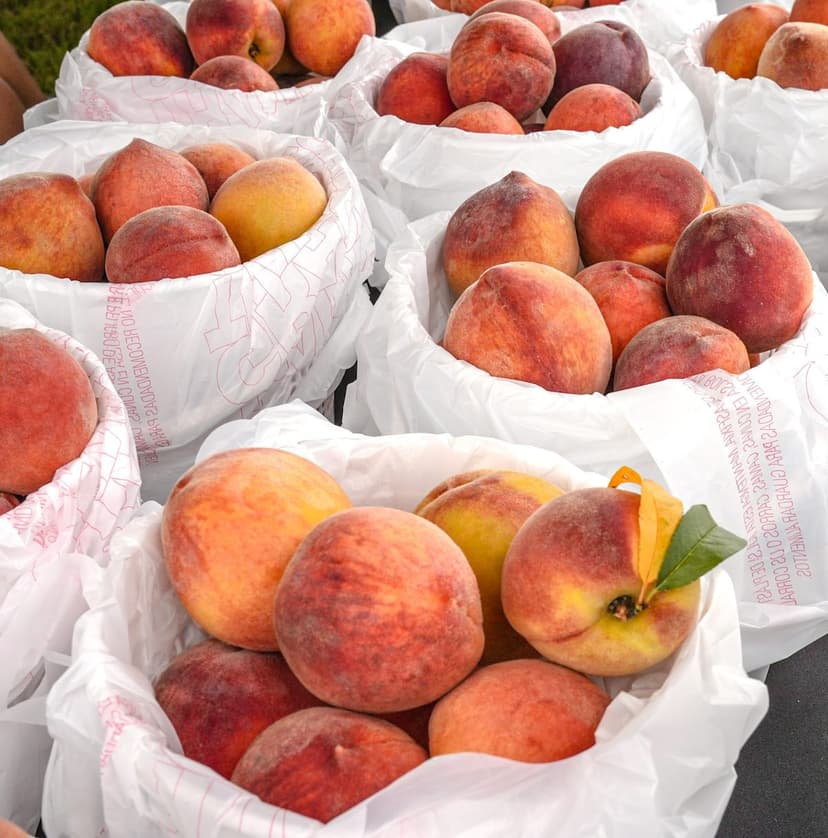
Georgia and South Carolina are experiencing the effects of climate change, leading to warmer winters, earlier blooming seasons, and more intense storms. These shifts are impacting a wide array of crops and food products crucial to the region's economy and food supply.
Ten specific foods in Georgia are particularly vulnerable. Peach and blueberry crops face risks from reduced winter chill hours and early frosts. Pecans and peanuts are challenged by heat stress, drought, and extreme weather. Vidalia onions are susceptible to heavy rainfall and temperature swings, while watermelons and corn are affected by hotter summers and erratic rainfall patterns.
Beyond crops, Georgia's oyster industry is threatened by rising sea levels and warmer waters, impacting growth and survival. Furthermore, broiler chicken production, the state's most valuable agricultural commodity, is under stress from extreme heat, increasing operational costs and reducing productivity. These combined factors present escalating challenges for food producers throughout the Southeast.


