Home / Environment / Gas Works Park: From Toxic Past to Urban Oasis
Gas Works Park: From Toxic Past to Urban Oasis
23 Aug
Summary
- Seattle's Gas Works Park faced closure in 1984 due to industrial contaminants.
- The park uniquely preserves industrial structures as a landscape feature.
- Restored greenery now supports urban wildlife amid historic towers.
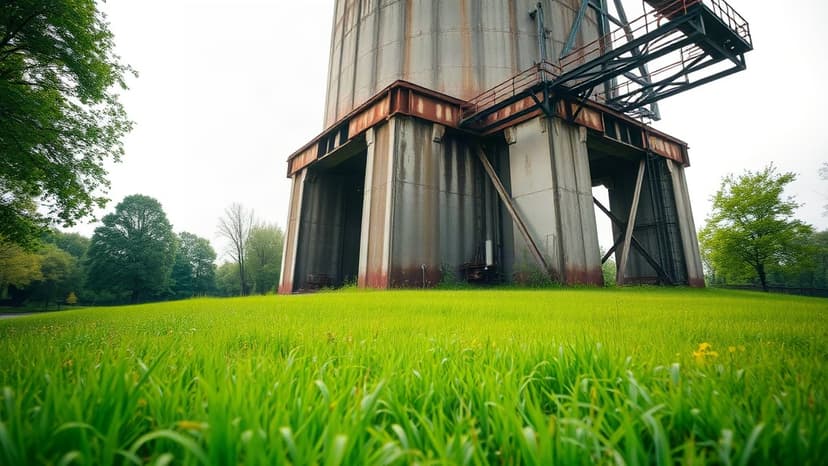
Gas Works Park in Seattle, originally a manufactured-gas plant operating from 1906 to 1956, has evolved into a celebrated public space. Landscape architect Richard Haag's innovative 1971 plan retained the site's industrial structures, transforming them into a park and industrial monument. This unusual approach integrated the surviving towers and machinery into the landscape.
However, by the early 1980s, investigations revealed elevated levels of industrial contaminants in the soil and sediment. In April 1984, Mayor Charles Royer ordered temporary closures of affected park sections. A swift response involved covering the most contaminated areas with clean soil, allowing the park to reopen by August 1984.
Further environmental work continued through the 1990s, including groundwater treatment and additional soil covers, to address contamination concerns and prevent migration towards Lake Union. Despite ongoing environmental controls, the park's unique blend of preserved industrial relics and revitalized natural areas now provides a habitat for urban wildlife, including Great Blue Herons, highlighting a successful repurposing of a complex industrial site.


