Home / Environment / Gas Stoves Pollute Homes: Study Reveals Shocking NO2 Levels
Gas Stoves Pollute Homes: Study Reveals Shocking NO2 Levels
7 Jan
Summary
- Gas stoves significantly contribute to indoor nitrogen dioxide exposure.
- This pollution is linked to respiratory issues like asthma.
- Electric stoves offer a cleaner alternative, reducing NO2 exposure.
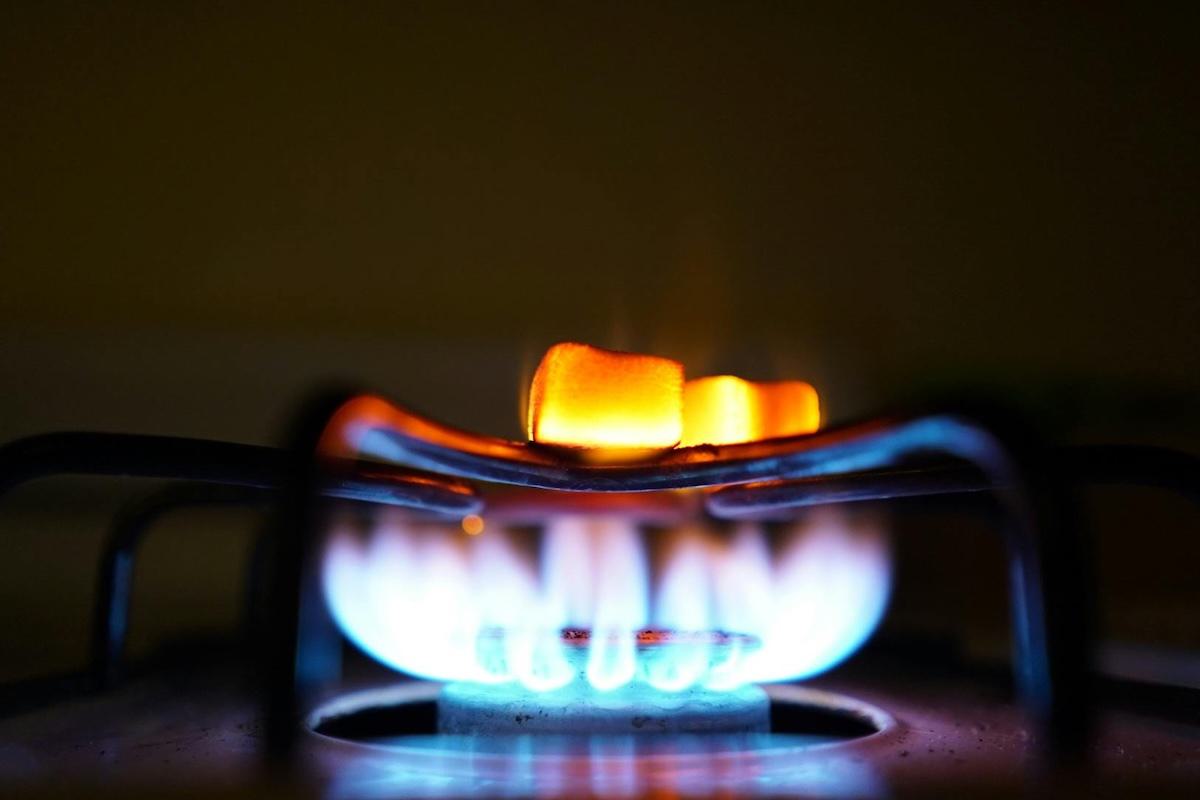
New research reveals that common gas stoves are a significant source of indoor nitrogen dioxide (NO2) pollution, a substance linked to respiratory ailments like asthma. The study, published last month, provides the first nationwide estimates of residential NO2 exposure, indicating that for individuals who frequently use their gas stoves, these appliances can account for over half of their total NO2 exposure.
Unlike other gas appliances, stovetops often lack direct ventilation, leading to the buildup of NO2 indoors. This pollutant, regulated by the EPA, can irritate airways and worsen existing respiratory conditions. The study's lead author noted that gas stoves, despite their size, have a disproportionately large impact on indoor air quality compared to larger emitters like traffic.
Researchers estimate that Americans with electric stoves experience, on average, 24 percent lower residential NO2 exposure. This highlights a potential public health benefit from transitioning to electric cooking. While the gas industry has questioned the study's findings, public health organizations and medical associations have warned about the risks associated with gas stove emissions.