Home / Environment / Gardeners Urged to Embrace Autumn Blooms for Pollinators
Gardeners Urged to Embrace Autumn Blooms for Pollinators
26 Sep, 2025
Summary
- Pollinators need year-round support, not just in spring and summer
- Planting a mix of autumn and winter flowering plants creates a "vital safety net" for bees, butterflies, and other insects
- Ivy, mahonia, winter heather, hellebores, and snowdrops are top picks to attract pollinators in the colder months
With the arrival of autumn, many gardeners may be tempted to neglect their outdoor spaces. However, experts are urging them to keep their gardens thriving to support local pollinators throughout the colder months.
According to flower expert David Denyer, pollinators like bees, butterflies, and hoverflies need year-round support, not just in spring and summer. By planting a mix of species that flower in autumn and winter, gardeners can create a "vital safety net" for these crucial insects when food sources are scarce.
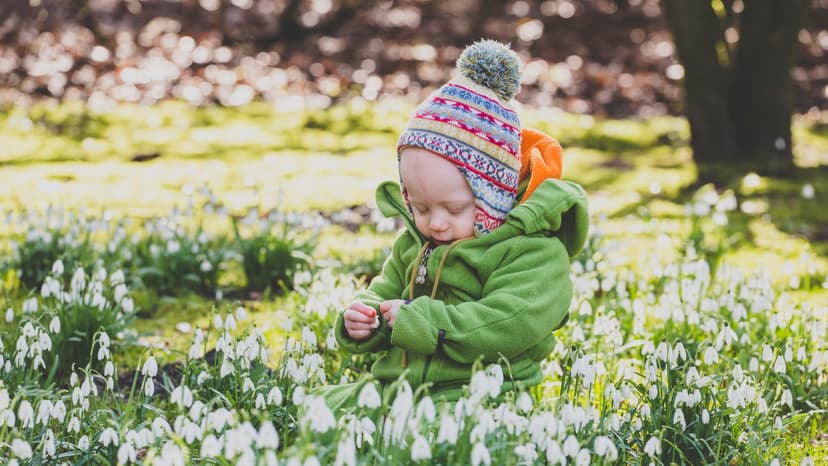
Denyer highlights five key plants that can help attract pollinators in the coming months. Ivy, with its greenish-yellow flowers and dark berries, provides nectar and shelter for insects and birds. Mahonia's fragrant yellow blooms and blue-black berries are a draw for honeybees and bumblebees. Winter heather, hellebores, and snowdrops also offer vital early-season nectar.
Investing in these pollinator-friendly plants not only keeps gardens vibrant through the colder seasons but also sets the stage for a healthier, more resilient garden in the years to come. As Denyer explains, pollinators that survive the winter in good condition will be far more effective at supporting gardens, crops, and wild spaces when spring arrives.


