Home / Environment / Galápagos on Brink: El Niño Fuels Climate Crisis
Galápagos on Brink: El Niño Fuels Climate Crisis
24 Jul
Summary
- El Niño is causing extreme ocean heat impacting Galápagos marine life.
- Species like marine iguanas and seabirds face population crashes.
- Galápagos ecosystem acts as a natural laboratory for climate change.
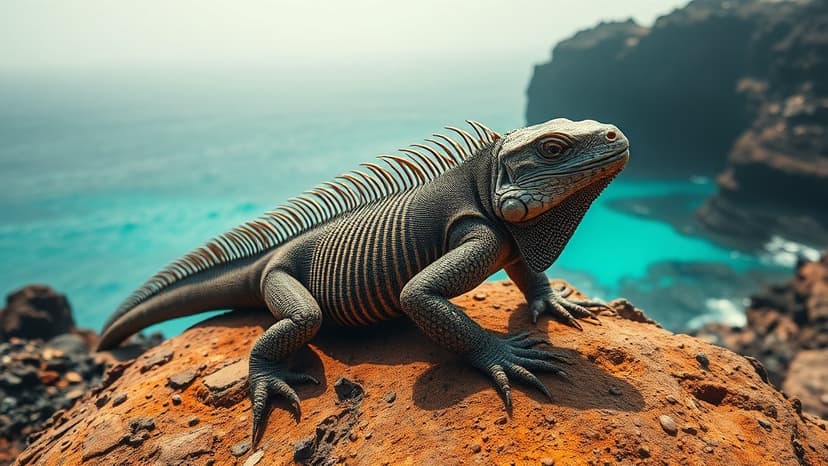
Ocean waters around the Galápagos Islands are experiencing record heat due to the El Niño weather phenomenon, which is expected to intensify through 2026 and into 2027. This extreme warming event, known to scientists, causes a significant rise in water temperatures, drastically impacting the marine ecosystem.
During these El Niño periods, water temperatures can soar, leading to a decline in fish species and devastating populations of seabirds like Nazca boobies and blue-footed boobies. Endemic species such as marine iguanas face starvation, though some, like the Galápagos iguana, have adapted to shrink their skeletons to survive.
However, the increasing frequency and intensity of El Niños due to climate change pose an unprecedented evolutionary challenge. Scientists fear these extremes could drive some species to extinction, as evidenced by the extinction of the Galápagos damselfish during the 1982-83 El Niño. The Galápagos archipelago's unique ecosystem is now a critical natural laboratory for studying future climate change impacts.
Researchers are observing changes, including skin diseases in fish and shifts in coral reef composition towards more resilient species. While the situation is worrisome, the long-standing resilience of the Galápagos offers some hope. Scientists are monitoring whether the ecosystem can withstand these climate shocks without reaching a critical tipping point into a state of low productivity and biodiversity.


