Home / Environment / Fukushima Meltdown: The Long Road to Dismantling
Fukushima Meltdown: The Long Road to Dismantling
9 Mar
Summary
- Fukushima nuclear plant decommissioning is the world's most complex clean-up.
- A 22-meter robotic arm will sample melted fuel this summer.
- Full-scale extraction of radioactive material is slated for 2037.

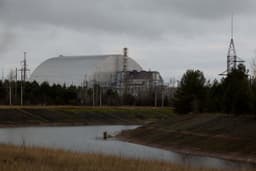
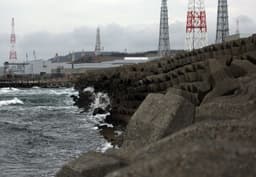
Fifteen years ago, Japan's Fukushima Dai-ichi nuclear plant suffered its worst meltdown. Unlike Chernobyl, the strategy here is complete dismantling, a process now in its critical, complex phase. Challenges like technical gaps and cost overruns have slowed progress significantly.
A significant breakthrough is anticipated this summer with the deployment of a 22-meter robotic arm. This specialized tool aims to collect samples of the roughly 880 tons of melted atomic fuel found in three damaged reactors.
These samples, alongside drone footage, are vital steps toward full-scale fuel extraction. This massive undertaking is currently scheduled to commence in 2037. The entire decommissioning project is expected to continue until the mid-21st century, with costs reaching hundreds of billions of dollars.
The ongoing clean-up is vital for Japan's nuclear sector, seeking to restore public confidence. It also holds global significance as the nuclear industry expands to meet clean energy demands, necessitating safe retirement plans for aging plants.
Recent safety improvements include sealed breaches and a filtration system for contaminated water, with treated water discharged since 2023. Ice walls were also constructed to prevent groundwater seepage.
While progress has been made, with tiny debris samples extracted in 2024 allaying fears of impenetrable fuel masses, uncertainties remain. The ultimate storage location for the waste is still undetermined, highlighting the long and complex road ahead.