Home / Environment / Frogs Face Extinction: A Silent Environmental Crisis
Frogs Face Extinction: A Silent Environmental Crisis
19 Mar
Summary
- Amphibians are the most threatened vertebrate group globally.
- Climate change and habitat loss are primary drivers of amphibian decline.
- Citizen science projects aid frog conservation efforts in India.
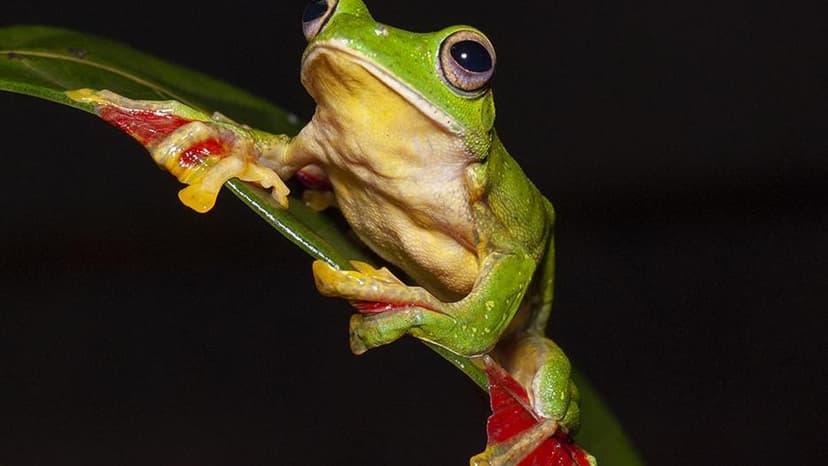
World Frog Day, observed on March 20, underscores the vital ecological role of frogs, which are increasingly threatened. Amphibians, the most numerous vertebrates, are now the most endangered group globally, with 37 species extinct and populations declining since the 1980s. Historically, fungal diseases like chytridiomycosis significantly impacted amphibians by affecting their respiration and skin. However, current primary threats are climate change, affecting 39% of species, and habitat loss for 37%.
India hosts over 450 amphibian species, with a quarter classified as threatened. While fungal diseases have not caused mass mortality in India as elsewhere, amphibians remain vulnerable. Climate change causes seasonal mismatches, impacting breeding cycles, and a lack of long-term data hinders accurate prediction of its effects. Conservation efforts, including habitat protection and breeding programs, are underway, alongside citizen science projects encouraging public participation in monitoring frog populations.