
Home / Environment / Orca's Fate: Sanctuary or Second Captivity?
Orca's Fate: Sanctuary or Second Captivity?
5 May
Summary
- Two orcas await a critical decision on their future from France.
- Options include a sea sanctuary or transfer to another marine park.
- Critics cite experimental risks and potential structural failures.
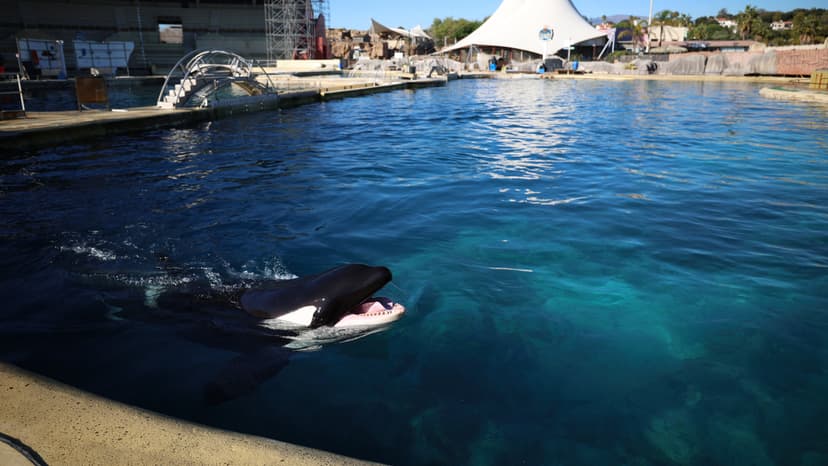
Two orcas, Wikie (25) and Keijo (13), face an uncertain future at the now-closed Marineland park in Antibes, France. The park shut down in January 2026 after 55 years, partly due to animal welfare legislation passed in 2021. For nearly two years, approximately 40 employees have continued to care for the orcas and 12 dolphins at a significant annual cost.
Concerns are mounting over the structural integrity of the orcas' aging tanks, which a report this year indicated are deteriorating. There is a fear that a major structural failure could lead to the orcas being euthanized. Some critics accuse the French government of inaction, while the government states efforts are underway to find a solution.
The French government is considering two main options: transferring the orcas to another marine park, such as Loro Parque in Tenerife, Spain, or moving them to an open-water sanctuary like the Whale Sanctuary Project in Canada. However, both options face significant obstacles, including the Canadian site's readiness and Spanish authorities blocking the transfer to Tenerife.
Debate continues among experts regarding the best course of action. Critics of the sanctuary option argue that captive-born orcas may struggle to adapt to natural environments, which could be polluted or noisy. Conversely, proponents of sanctuaries suggest that marine parks have a vested interest in keeping orcas for breeding purposes. The lack of foresight in planning for the animals' future after the new legislation was enacted is also a point of criticism.
