feedzop-word-mark-logo
searchLogin
Feedzop
homeFor YouUnited StatesUnited States
You
bookmarksYour BookmarkshashtagYour Topics
Trending
Terms of UsePrivacy PolicyAboutJobsPartner With Us

© 2026 Advergame Technologies Pvt. Ltd. ("ATPL"). Gamezop ® & Quizzop ® are registered trademarks of ATPL.

Gamezop is a plug-and-play gaming platform that any app or website can integrate to bring casual gaming for its users. Gamezop also operates Quizzop, a quizzing platform, that digital products can add as a trivia section.

Over 5,000 products from more than 70 countries have integrated Gamezop and Quizzop. These include Amazon, Samsung Internet, Snap, Tata Play, AccuWeather, Paytm, Gulf News, and Branch.

Games and trivia increase user engagement significantly within all kinds of apps and websites, besides opening a new stream of advertising revenue. Gamezop and Quizzop take 30 minutes to integrate and can be used for free: both by the products integrating them and end users

Increase ad revenue and engagement on your app / website with games, quizzes, astrology, and cricket content. Visit: business.gamezop.com

Property Code: 5571

Home / Environment / Fish Trade Spreading 'Forever Chemicals' Worldwide

Fish Trade Spreading 'Forever Chemicals' Worldwide

31 Jan

•

Summary

  • Global fish trade spreads 'forever chemicals' like PFAS.
  • Certain fish species like salmon and cod are high in PFAS.
  • Contaminated seafood poses risks to billions globally.
Fish Trade Spreading 'Forever Chemicals' Worldwide

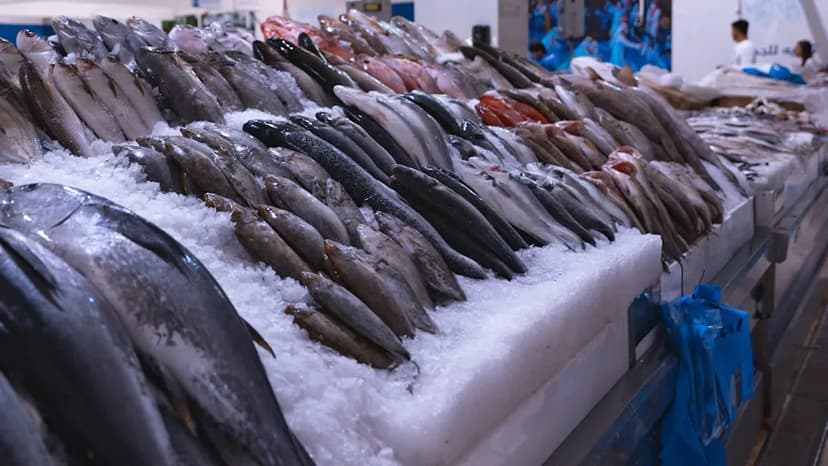
The global fish trade is a major conduit for 'forever chemicals,' such as PFAS, exposing populations across North America, Europe, and Oceania, according to a recent study. These persistent pollutants, known for their potential health disruptions, are found in significant amounts in popular seafood species. Salmon, scorpion fish, and smelts showed high levels, while cod-like and herring-like fish were key sources of exposure due to high consumption rates.

The research analyzed 212 species and trade routes across 44 countries between 2010 and 2021. Scientists noted that the study might underestimate exposure, as it primarily focused on fish caught within exclusive economic zones. This contamination highlights how international trade reshapes exposure landscapes, moving PFAS from high-residue to low-residue regions.

Despite the risks, experts suggest maintaining fish consumption due to its nutritional benefits. However, controlling PFAS exposure from fish is challenging due to complex global supply chains. Increased global cooperation, stricter regulations on PFAS use, and enhanced monitoring of the global fish trade are crucial steps to mitigate this pervasive environmental and health concern.

trending

Ohio snow emergency declared

trending

TikTok down in United States

trending

Andreeva matches Venus Williams' feat

trending

Warrington Hospital baby death

trending

Alexander Zverev advances in Australia

trending

Oilers host Capitals

trending

London celebrates Chinese New Year

trending

Liza Minnelli defends AI use

Disclaimer: This story has been auto-aggregated and auto-summarised by a computer program. This story has not been edited or created by the Feedzop team.
The global fish trade acts as a pathway, moving PFAS from regions with high contamination to those with lower levels, thus spreading exposure worldwide.
Salmon, scorpion fish, and smelts have shown high levels of PFAS, while cod-like and herring-like fish are significant sources due to consumption rates.
Controlling PFAS exposure requires increased global cooperation, stricter regulations on PFAS use, and enhanced monitoring of the global fish trade.

Read more news on

Environmentside-arrowEuropeside-arrowNorth Americaside-arrow

You may also like

Millions at Risk: Recalled Tuna Accidentally Sold

23 Jan • 60 reads

article image

Eat the Invaders: Invasive Species Become Dinner

19 Jan • 64 reads

article image

Fish Defy Freezing: Nature's Icy Survivors

20 Jan • 47 reads

article image

Invasive Fish Invade Mediterranean, Threatening Cyprus Fisheries

27 Dec, 2025 • 200 reads

article image

Arctic Thaw: Hunter's Fear for Culture

13 Dec, 2025 • 278 reads

article image